| |
|
|
 |
|
|
|
| |
|
FACULTY
Click
on a faculty member from the chart to be redirected to their
profile or scroll down to the desired profile
| |
|
|
| |
|
To
view the articles below, please download
the latest Adobe Acrobat Reader.
Click on the icon
to be redirected to Adobe's website
 |
AUTISM
RESEARCH TRAINING PROGRAM FACULTY
Lonnie Zwaigenbaum, MD, FRCP(C)
nv casino login
CIHR Principal Investigator, Program Director
Co-Director, Autism Research Centre, Glenrose Rehabilitation Hospital
Stollery Children’s Hospital Foundation Endowed Chair in Autism Research
Alberta Innovates – Health Solutions Health Scholar
Professor, Department of Pediatrics, University of Alberta
|
| |
|
|
The Faculty
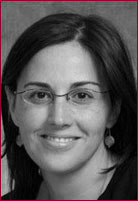 |
Dr. Evdokia Anagnostou
Dr. Evdokia Anagnostou is a child Neurologist and clinician scientist at Bloorview Research Institute. Dr. Anagnostou's research focuses on the psychopharmacology and neuroimaging of autism. Dr. Anagnostou is principlal or co-investigator on multiple clinical trials in autism and has had extensive funding in both pharmacology and neuroimaging. She also leads the Ontario Brain Institute funded POND grant that embeds a clinical trial network in biomarkers core for ASD, ADHD, ID and OCD. Her research at Holland Bloorview focuses on the development of clinical trials to test novel compounds for the treatment of autism and related disorders. In collaboration with imaging researchers at SickKids, she is also studying the developmental trajectory of abnormalities in the frontostriatal circuitry in autism, and exploring the mechanisms of treatment response and side effects generation using fMRI, MR spectroscopy and DTI techniques.
Selected Recent Publications:
Mak-Fan KM, Morris D, Vidal J, Anagnostou E, Roberts W, Taylor MJ. White matter and development in children with an autism spectrum disorder. Autism. 2012 Jun 14. [Epub ahead of print] PubMed PMID: 22700988.
Jiang YH, Yuen RK, Jin X, Wang M, Chen N, Wu X, Ju J, Mei J, Shi Y, He M, Wang G, Liang J, Wang Z, Cao D, Carter MT, Chrysler C, Drmic IE, Howe JL, Lau L, Marshall CR, Merico D, Nalpathamkalam T, Thiruvahindrapuram B, Thompson A, Uddin M, Walker S, Luo J, Anagnostou E, Zwaigenbaum L, Ring RH, Wang J, Lajonchere C, Wang J, Shih A, Szatmari P, Yang H, Dawson G, Li Y, Scherer SW. Detection of Clinically Relevant Genetic Variants in Autism Spectrum Disorder by Whole-Genome Sequencing. Am J Hum Genet. 2013 Jul. Epub ahead of print
Kushki A, Drumm E, Pla Mobarak M, Tanel N, Dupuis A, Chau T, Anagnostou E. Investigating the autonomic nervous system response to anxiety in children with autism spectrum disorders. PLoS One. 2013 Apr;8(4):e59730. epub ahead of print/PubMed PMID 23577072
Anagnostou E, Soorya L, Chaplin W, Bartz J, Halpern D, Wasserman S, Wang AT, Pepa L, Tanel N, Kushki A and Hollander E. Intranasal oxytocin versus placebo in the treatment of adults with autism spectrum disorders: a randomized controlled trial. Mol Autism. 2012 Dec 5;3(1):16. doi: 10.1186/2040-2392-3-16.
Mak-Fan KM, Morris D, Vidal J, Anagnostou E, Roberts W, Taylor MJ. White matter and development in children with an autism spectrum disorder. Autism. 2012 Jun 14. [Epub ahead of print] PubMed PMID: 22700988.
Sato D, Lionel AC, Leblond CS, Prasad A, Pinto D, Walker S, O'Connor I, Russell C, Drmic IE, Hamdan FF, Michaud JL, Endris V, Roeth R, Delorme R, Huguet G, Leboyer M, Rastam M, Gillberg C, Lathrop M, Stavropoulos DJ, Anagnostou E, Weksberg R, Fombonne E, Zwaigenbaum L, Fernandez BA, Roberts W, Rappold GA, Marshall CR, Bourgeron T, Szatmari P, Scherer SW. SHANK1 Deletions in Males with Autism Spectrum Disorder. Am J Hum Genet. 2012 May 4;90(5):879-87. Epub 2012 Apr 12. PubMed PMID: 22503632; PubMed Central PMCID: PMC3376495.
Hollander E, Soorya L, Chaplin W, Anagnostou E, Taylor BP, Ferretti CJ, Wasserman S, Swanson E, Settipani C. A double-blind placebo-controlled trial of fluoxetine for repetitive behaviors and global severity in adult autism spectrum disorders. Am J Psychiatry. 2012 Mar;169(3):292-9. Erratum in: Am J Psychiatry. 2012 May;169(5):540. PubMed PMID: 22193531.
Ameis SH, Fan J, Rockel C, Voineskos AN, Lobaugh NJ, Soorya L, Wang AT, Hollander E, Anagnostou E. Impaired structural connectivity of socio-emotional circuits in autism spectrum disorders: a diffusion tensor imaging study. PLoS One. 2011;6(11):e28044. Epub 2011 Nov 23. PubMed PMID: 22132206; PubMed Central PMCID: PMC3223195.
Girgis RR, Slifstein M, Xu X, Frankle WG, Anagnostou E, Wasserman S, Pepa L, Kolevzon A, Abi-Dargham A, Laruelle M, Hollander E. The 5-HT(2A) receptor and serotonin transporter in Asperger's disorder: A PET study with [¹¹C]MDL 100907 and [¹¹C]DASB. Psychiatry Res. 2011 Dec 30;194(3):230-4. Epub 2011 Nov 12. PubMed PMID: 22079057; PubMed Central PMCID: PMC3225493.
Anagnostou E, Hansen R. Medical treatment overview: traditional and novel psycho-pharmacological and complementary and alternative medications. Curr Opin Pediatr. 2011 Dec;23(6):621-7. Review. PubMed PMID: 22001766.
Anagnostou E, Chaplin W, Watner D, Silverman JM, Smith CJ, Zagursky K, Kryzak LA, Corwin TE, Feirsen N, Tanel N, Hollander E. Factor analysis of repetitive behaviors in Autism as measured by the Y-BOCS. J Neuropsychiatry Clin Neurosci. 2011 Summer;23(3):332-9. PubMed PMID: 21948895.
Scahill L, McCracken JT, Bearss K, Robinson F, Hollander E, King B, Bregman J, Sikich L, Dukes K, Sullivan L, Anagnostou E, Donnelly C, Kim YS, Ritz L, Hirtz D, Wagner A. Design and subject characteristics in the federally-funded citalopram trial in children with pervasive developmental disorders. J Autism Dev Disord. 2012 Mar;42(3):432-40. PubMed PMID: 21667200.
Anagnostou E, Taylor MJ. Review of neuroimaging in autism spectrum disorders: what have we learned and where we go from here. Mol Autism. 2011 Apr 18;2(1):4. PubMed PMID: 21501488; PubMed Central PMCID: PMC3102613.
Kushki A, Chau T, Anagnostou E. Handwriting difficulties in children with autism spectrum disorders: a scoping review. J Autism Dev Disord. 2011 Dec;41(12):1706-16. Erratum in: J Autism Dev Disord. 2011 Dec;41(12):1717. PubMed PMID: 21350917.
Bernardi S, Anagnostou E, Shen J, Kolevzon A, Buxbaum JD, Hollander E, Hof PR, Fan J. In vivo 1H-magnetic resonance spectroscopy study of the attentional networks in autism. Brain Res. 2011 Mar 22;1380:198-205. Epub 2010 Dec 23. PubMed PMID: 21185269; PubMed Central PMCID: PMC3073642.
[email protected]
back
to the top |
|
|
|
 |
Dr. Anthony Bailey
back
to the top |
|
|
|
 |
Dr. Armando Bertone
Dr. Armando Bertone, PhD, is an Assistant Professor in the School/Applied Child Psychology & Human Development Programs of the Department of Educational and Counselling Psychology at McGill University. He is also a Supervisor in the Integrated Program in Neuroscience at McGill, as well as a Research Scientist at the University of Montréal Mental Health Research Institute (Hôpital Rivière-des-Praries site). In 2009, he founded and currently directs The Perceptual Neuroscience Lab (PNLab) for Autism and Development, with sites at both McGill University and l’Hôpital Rivière-des-Prairies in Montréal, Canada. A trained psychophysicist and clinical neuropsychologist, Dr. Bertone is interested in characterizing the development of perceptual and related processes (- cognitive, motor, learning, attentional, multi-sensory, etc.) in both in typical children and in individuals with developmental conditions (- ASDs and fragile-x syndrome). He has introduced the concept and utility of using perceptual phenotypes for developing biologically-plausible neural hypotheses consistent with visuo-perceptual abilities that are specific to autism. His team and collaborators are presently using different experimental approaches to assess how such altered perception affects sensory-related cognition and behavior in autism.
Recent Publications:
Charbonneau G, Bertone A, Lassonde M, Nassim M, Lepore F, Mottron L, Collignon O (2013). Multi-level deficits in the multisensory processing of audio-visual emotions expression in Autism Spectrum Disorders. Neuropsychologia, 51, 1002-1010.
Collignon O, Charbonneau G, Nassim M, Peters F, Lassonde M, Mottron L, Lepore F, Bertone A (2013). Reduced multisensory facilitation in persons with autism. Cortex, 49, 1704-1710.
Bertone A (2013). Acuity. In F Volkmar (ed.). Encyclopedia of Autism Spectrum Disorders. Springer.
Greffou S, Bertone A, Hahler EM, Hanssens J-M, Mottron L, Faubert J (2012). Postural hypo-reactivity in autism is contingent on development and visual environment: a fully immersive virtual reality study. Journal of Autism and Developmental Disorders, 42, 961-970.
Kéïta L, Mottron L, Dawson M, Bertone A (2011). Atypical lateral connectivity : a neural basis for altered visuo-spatial processing in autism. Biological Psychiatry, 70, 806-811.
Perreault A, Gurnsey R, Dawson M, Mottron L, Bertone A (2011). Increased sensitivity to visual mirror symmetry in autism. PLoS ONE, 6, e19519.
Bertone A, Hanck J, Kogan CS, Chaudhuri A, Cornish KM (2010). Using perceptual signatures to define and dissociate neural etiology : autism and fragile x syndrome as model conditions. Journal of Autism and Developmental Disorders, 40, 1531-1540.
Kéïta L, Mottron L, Bertone A (2010). Far visual acuity is unremarkable in autism : do we need to focus on crowding? Autism Research, 3, 333-341.
Bertone A, Hanck J, Kogan CS, Chaudhuri A, Cornish KM (2010). Associating neural alterations and genotype in autism and fragile x syndrome: incorporating perceptual phenotypes in causal modeling. Journal of Autism and Developmental Disorders, 40, 1541-1548.
Bertone A, Mottron L, Jelenic P, Faubert J (2005). Enhanced and diminished visuo-spatial information processing in autism depends on stimulus complexity. Brain, 128, 2430-2441.
Bertone A, Mottron L, Jelenic P, Faubert J (2003). Motion perception in autism: a ‘complex’ issue. Journal of Cognitive Neuroscience, 15, 218-225.
Armando Bertone, PhD
Assistant Professor
School/Applied Child Psychology
Department of Educational and Counselling Psychology
McGill University
3700 McTavish Street
Montreal, Quebec H3A 1Y2
Telephone: 514.398.3448
Email: [email protected]
Website: www.pnlab.ca
back
to the top |
|
|
|
 |
Dr. Michael
H. Boyle
Michael
H. Boyle is a Professor in the Department of Psychiatry of Behavioural
Neurosciences, McMaster
University, and Member of the Offord Centre for Child Studies.
He holds a Canada Research Chair in the Social Determinants of
Child Health and is currently principal investigator of the Ontario
Child Health Study: a longitudinal, province-wide survey of 3294
children aged 4-to 16 years begun in 1983, with follow-ups in 1987
and 2001. Dr. Boyle has been involved in numerous large-scale population
studies and evaluation projects, including: the Ontario Health
Survey Supplement (1990-91), a study of the epidemiology of adult
psychiatric disorder; Helping Children Adjust; a Tri-Ministry Study
(1991-1996), an evaluation study of school-based programs to prevent
antisocial behavior in elementary schools; and the Community Action
Program for Children (1994-2000), an evaluation study of federally
sponsored community-based programs intended to promote healthy
development among children exposed to socio-economic risk. At the
present time, his research is focusing on socioeconomic factors
associated with child health in developing countries. As a member
of the Health Research Methods program at McMaster, he teaches
principles of health status measurement, observational research
methods and approaches to secondary data analyses of child development
data.
Boyle, M.H., Cunningham, C.E., Georgiades, K., Cullen, J., Racine, Y., & Pettingill, P.
(2009). The Brief Child and Family Phone Interview (BCFPI): 2. Usefulness in
screening for child and adolescent psychopathology. Journal of Child Psychology and Psychiatry, 50 (4), 424-431.
Miller, J.L., Vaillancourt, T., Boyle, M.H. (2009). Examining the heterotopic continuity of
aggression using teacher reports: Results from a national Canadian study. SocialDevelopment, 18, 164-180.
Boyle, M.H., Georgiades, K., Cullen, J., Racine, Y. (in press). The influence of women’s education on intimate partner violence directed towards women in India.. Social Science & Medicine (2009), doi:10.1016/j.socscimed.2009.06.039
Omariba, D.W.R., & Boyle, M.H. (in press). Rural-urban migration and cross-national variation in child mortality in less developed countries. Population Research & Policy Review,
DOI 10.1007/s11113-009-9140-y
back
to the top |
|
|
|
 |
Dr. Jessica Brian
Jessica A. Brian received her PhD in Clinical Developmental Psychology from York University in 2000. She completed a year-long internship at the Princeton Child Development Institute (PCDI) in New Jersey, with an emphasis on Applied Behaviour Analysis in autism intervention. Dr. Brian’s research interests include basic attention and inhibition in autism and related disorders, as well as early identification and intervention. She is a Clinician-Investigator at the Bloorview Research Institute at Holland Bloorview Kids Rehab, and co-directed the Autism Research Unit at SickKids for over ten years. Dr. Brian has been heavily involved in a multi-site longitudinal research program examining the emergence of autism in infants and toddlers and is co-leading an early intervention project for toddlers showing the very earliest sign of ASD.
Selected References:
Brian, JA., & Bryson, SE: Disembedding performance and recognition memory in autism/PDD. Journal of Child Psychology and Psychiatry 1996: 37: pp 865-872.
Brian, J.A., Tipper, S.P., Weaver, B., & Bryson, S: Inhibitory mechanisms in autism: Typical selective inhibition of location versus facilitated perceptual processing. Journal of Child Psychology and Psychiatry 2003: 44(4): pp 552-560.
Brian, JA, Landry R, Szatmari P, Niccols A, Bryson SE: Habituation in high-risk infants: Reliability and patterns of responding. Infant and Child Development 2003: 12: pp 387-394.
Cauley K, Brian JA: Teaching play-related verbalizations to children with autism using precision teaching. Journal of Precision Teaching and Celeration 2004: 19(2): pp 39-42.
Mitchell S, Brian J, Zwaigenbaum L, Roberts W, Szatmari P, Smith I, Bryson S: Early language and communication development of infants later diagnosed with autism spectrum disorder. Journal of Developmental & Behavioral Pediatrics 2006: 27(2) Supplement 2: pp S69-S78.
Bryson SE, Zwaigenbaum L, Brian JA, Roberts W, Szatmari P, Rombough V, McDermott C: A prospective case series of high-risk infants who developed autism. Journal of Autism and Developmental Disorders 2007: 37(1): pp 12-24.
Bryson SE, McDermott C, Rombough V, Brian J, Zwaigenbaum L: The Autism Observation Scale for Infants (AOSI): Scale development and reliability data. Journal of Autism and Developmental Disorders 2008: 38:731-738.
Brian JA, Bryson SE, Garon N, Roberts W, Smith I, Szatmari P, Zwaigenbaum L: Clinical assessment of autism in high-risk 18 month olds. Autism 2008: 12(5): 433-456.
[email protected]
back
to the top |
|
|
|
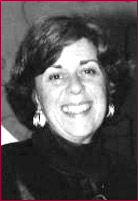 |
Dr. Susan
E. Bryson
Susan
E. Bryson received a PhD in Clinical Psychology from McGill University.
She has been recently recruited to Dalhousie University and the
IWK Health Centre as the first holder of the Craig Chair in Autism
Research. She was formerly Head and Clinical Director of the graduate
program in Clinical-Developmental Psychology at York University,
and Associate Scientist at the Hospital for Sick Children (HSC).
She is Founding Director of the Autism Research Unit at the HSC
and of the newly established Autism Research Centre at the IWK
Health Centre. She also spearheaded the recent establishment of
the Provincial (Nova Scotia) Autism Library and Resource Centre
for families and professionals. Dr. Bryson is
a leading authority on mechanisms of attention, emotion and cognition
in autism, and
on the early detection and treatment of autism. She also has expertise
in the epidemiology of autism, having conducted two large Canadian
studies. She has served as consultant to Health Canada and the
U.S. Centers for Disease Control, she is one of the Founding Directors
of the Canadian Autism Intervention Research Network, and she is
on the editorial boards of the Journal of Autism and Developmental
Disorders and the Journal on Developmental Disabilities. She has
a long-standing record of training students, professionals and
parents, and of serving various community agencies, for which she
recently received the Queen’s Golden Jubilee Medal. Dr. Bryson
has a particular interest in knowledge transfer and application.
References:
Bryson, S.E. (In press). The Autistic Mind. To appear in M.
Bauman (Ed.) Neurobiology of Autism (Rev. ed.).
Landry, R., & Bryson, S.E. (In press). Impaired disengagement
of attention in young children with autism. Journal of Child
Psychology and Psychiatry.
Czapinski, P., & Bryson, S.E. (2003). Reduced facial muscle
movements in autism: Evidence for dysfunction in the neuromuscular
pathway. Brain and Cognition, 51, 177-179.
Bryson, S.E., Rogers, S.J., & Fombonne, E. (2003). Autism
Spectrum Disorders: Early Detection and Intervention, Education
and Psychopharmacological Treatment. Canadian Journal of Psychiatry,
48, 506-516.
back
to the top |
|
|
|
 |
Dr. Jacob A. Burack
Jacob A. Burack, Ph. D. is Professor of School/Applied Developmental Psychology and Human Development at McGill University. He is the founder and director of the McGill Youth Study Team (MYST), is a researcher at Hôpital Rivière-des-Prairies, and is a co-investigator on the CIHR-funded National Network on Aboriginal Mental Health Research and Autism Research Training program. The empirical work by his students and him during the past 2 decades has been funded by the Social Sciences and Humanities Research Council and is focused on the development of attention and perception among persons with autism spectrum disorders (ASD) and Down syndrome. In addition to their empirical work, Jake and his students write extensively about the essential application of theories and methodologies from developmental psychology to the study of persons with ASD and other developmental disorder. In a secondary area of research, Jake and the MYST members study the role of cultural identity in First Nations communities in northern Quebec.
The most recent of Jake's co-edited books include Burack, Hodapp, Iarocci, and Zigler’s (2012) Oxford handbook of mental retardation and development (Oxford University Press); Burack, Enns and Fox’s (2012) Cognitive neuroscience, development , and psychopathology: Typical and atypical developmental trajectories (Oxford University Press); and Burack and Schmidt’s (in press) Culturual and contextual perspectives on developmental risk and well-being (Cambridge University Press). Jake is the editor of the book series, Development at risk, published by Oxford University Press. He is a member of the advisory boards of both the Postdoctoral and Merck Doctoral Program on Research in Mental Retardation at the University of Wisconsin, the international scientific advisory board of the Shalva Center for Mentally and Physically Challenged Children in Israel, and and is a member of the editorial boards of Development and Psychopathology and the Journal of Intellectual Disability Research.
References:
Landry, O., Mitchell, P., & Burack, J. A. (2009). Orienting of visual attention among persons with autism spectrum disorders: Reading versus responding to symbolic cues. Journal of Child Psychology and Psychiatry, 50, 862-870.
Burack, J. A., Joseph, S., Russo, N., Shore, D. I., Porporino, M., & Enns, J. T. (2009). Change detection in naturalistic pictures among children with autism. Journal of Autism and Developmental Disorders, 39, 471-479.
Burack, J. A., & Russo, N. (2008). On why joint attention might look atypical in autism: A case for a strong policy statement but more nuanced empirical story. Child Development Perspectives, 2, 46-48.
Russo, N., Flanagan, T., Berringer, D., Iarocci, G., Zelazo, P. D. & Burack, J. A. (2007). Deconstructing the executive function deficit in autism: Implications for cognitive neuroscience. Brain and Cognition. 65, 77-86.
Mottron, L., Dawson, M., Hubert, B., Soulieres, I., & Burack, J. A. (2006). The enhanced perceptual functioning model of autism. Journal of Autism and Developmental Disorders, 36, 27-43.
Jake Burack, Ph.D.
Professor
Department of Educational and Counselling Psychology
McGill University
3700 McTavish Street
Montreal, Quebec H3A 1Y2
back
to the top |
|
|
|
 |
Dr. Melanie Couture
Melanie Couture is an Assistant Professor at Laval University in the Department of Rehabilitation of the Faculty of Medicine in Quebec City and a researcher at the Research Centre of the Centre hospitalier universitaire affilié de l’Hôtel Dieu de Lévis. She graduated from the ART program as a post-doctoral fellow from McGill University. Her research interests focus on neurodevelopmental assessment and developmental trajectory. She is a strong believer in clinical research and very sensitized to the importance of early identification of children with developmental disabilities. Melanie’s research in autism focuses on sensory-motor difficulties and how they may have an impact on the children’s daily activities and functional independence.
Melanie completed a B.Sc. in Occupational Therapy from University of Montreal, a Master in Child Study from Concordia University, and a Ph.D. in biomedical sciences (rehabilitation) at the University of Montreal. Throughout her graduate studies she also worked as an occupational therapist at the specialized home care services of Ste-Justine Hospital and in private practices.
Jasmin,, E., Couture M., McKinley, P., Reid, G., Fombonne, E., Gisel, E. (2009). motor and daily living skills of preschool children with autism spectrum disorders. Journal of Autism and Developmental Disorders, 39, 2, 231-241.
Fombonne, E. Couture, M., Gisel, E., Reid, G., Smith, I. FQRSC (2008-AC-121463) : Longitudinal study of the impact of sensory-motor skills on functional independence in activities of daily living of children with autism spectrum disorders. 47 300$. 2007-2009.
Mélanie Couture Ph.D. erg.
Professeure adjointe
École de réadaptation
Faculté de médecine et des sciences de la santé
Chercheure régulière au Centre de recherche clinique Étienne-LeBel du CHUS
Axe mère-Enfant
Université de Sherbrooke
3001, 12e avenue Nord
Sherbrooke (Québec) Canada J1H 5N4
Phone : (819) 820-6868 poste 12936
Fax : (819) 820-6864
[email protected]
back
to the top |
|
|
|
 |
Dr. Mayada Elsabbagh
Mayada Elsabbagh, Ph.D. is Assistant Professor in Psychiatry at McGill University. Her research, in the area of early infancy and developmental disorders, is focused on understanding the brain basis of behavioural genetic disorders. Prior to returning to Canada from the UK in 2011, Mayada supported the successful launch of collaborative research networks in autism including BASIS and ESSEA, aimed at accelerating the pace of discovery in early autism. Mayada is active in the area of knowledge translation locally and internationally. She currently manages the Knowledge Translation portfolio for NeuroDevNet, a Canadian national Network of Center’s of Excellence. She was the recipient of the 2010 UK Economic and Social Research Council Neville Butler Memorial Prize for Longitudinal Research awarded in recognition of the public value and social relevance of her research.
back
to the top |
|
|
|
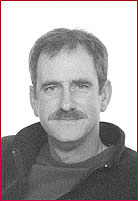 |
Dr. James T Enns
James
T Enns, PhD (Princeton),
FRSC, is known internationally
for his
research on visual attention in humans. His work has influenced
prevailing
theories and viewpoints in three ways: (1) vision is oriented
toward objects, and three-dimensional
relations among objects, from
its
earliest
stages, (2) vision depends as much on feedback from higher-to-lower
centers
as it does on sensory input, and (3) individuals differ in
important and
predictable ways in their ability to control whether visual
selection governed by the environment
or by the internal goals of
the observer.
He is
a Professor in UBC's Department of Psychology and the Graduate
Program in
Neuroscience. He has been an Associate Editor for the journals
Psychological
Science and Visual Cognition. His research has been published
in Science,
Psychological Science, Psychological Review and is supported
by grants from
NSERC, Nissan Motor Corp., BC Health & NATO.
He has edited two research
volumes on the Development of Attention, 1990, 1997), coauthored
three
textbooks on Sensation & Perception
(1986, 1999, 2004) and has a book
forthcoming from WW Norton (The Thinking Eye, The Seeing Brain).
Publications:
Fecteau, J.H., Chua, R., Franks, I., and Enns, J.T. (2001). Visual awareness and the on-line modification of action. Canadian Journal of Experimental Psychology, 55(2): 106-112.
Enns, J.T., and Di Lollo, V. (2000). What’s new in visual masking? Trends in Cognitive Sciences, 4(9): 345-352.
Austen, E.L., and Enns, J.T. (2003). Change detection in an attended face depends on the expectation of the observer. Journal of Vision, 3: 64-74.
Liu, G., Healey, C.G., Enns, J.T. (2003). Target detection and localization in visual search: A dual systems perspective. Perception & Psychophysics, 65(5): 678-694
James T. Enns, PhD, FRSC
Distinguished University Professor
Department of Psychology & Graduate Program in Neuroscience
2136 West Mall
UBC
Vancouver, BC V6T 1Z4
604-822-6634 (voice)
604-822-6923 (fax)
[email protected]
http://www.interchg.ubc.ca/vsearch/
back
to the top |
|
|
|
 |
Dr. Alan Evans
Dr.
Alan Evans uses three-dimensional
computer techniques to study functional neuroanatomy. He collaborates
with cognitive neuroscientists to examine memory, language, mood
and sensory processing. A stimulus or task is presented to subjects
and changes in their cerebral blood flow are measured by PET and
MRI. Dr. Evans also contributes to a North American electronic
network that links brain mapping laboratories. He and his colleagues
are analyzing data derived from more than 400 brains to make a
neuroanatomy atlas. The imaging techniques developed in the McConnell
Brain Imaging Centre are also being used in large-scale, multi-centre
clinical trials.
References
1. Rousset OG, Deep P, Kuwabara H, Evans AC, Gjedde AH, Cumming
P. Effect of partial volume correction on estimates of the influx
and cerebral metabolism of 6-[(18)F]fluoro-L-dopa studied with
PET in normal control and Parkinson's disease subjects. Synapse.
2000 Aug;37(2):81-89.
2. Dumoulin SO, Bittar RG, Kabani NJ, Baker CL Jr, Le Goualher
G, Bruce Pike G, Evans AC. A new anatomical landmark for reliable
identification of human area V5/MT: a quantitative analysis of
sulcal patterning. Cereb Cortex. 2000 May;10(5):454-63.
3. O'Driscoll GA, Wolff AL, Benkelfat C, Florencio PS, Lal S,
Evans AC. Functional neuroanatomy of smooth pursuit and predictive
saccades. Neuroreport. 2000 Apr 27;11(6):1335-40. back
to the top |
|
|
|
 |
Dr.
Margaret Fahnestock
Margaret Fahnestock, Ph.D. is a Professor of Neuroscience at McMaster University. She is internationally recognized for her work on neurotrophic factors. Her specific area of expertise is the regulation of neurotrophin expression in human brain and the role of neurotrophins in neurological diseases such as Alzheimer's disease and epilepsy. She has published over 60 scholarly manuscripts and book chapters, including five that have been chosen as "Papers of the Week" by Alzheimer Research Forum. Dr. Fahnestock is well known for pioneering the quantification of scarce mRNAs in human post-mortem brain tissue and for sparking interest in the role of proneurotrophins in CNS. She has a long track record of academic leadership including serving twice as President of the Southern Ontario Neuroscience Association, session chair at the Society for Neuroscience meeting, and serving on grant review committees for the Medical Research Council of Canada, CIHR, Alzheimer Society of Canada, and the NIH (National Institute of Aging, USA). At McMaster University, she is active in undergraduate teaching, is Associate Director of the new Graduate Program in Neuroscience, and has chaired the Neuroscience seminar series since 1993.
Publications:
Masoudi, R., Ioannou, M.S., Coughlin, M.D., Pagadala, P., Neet, K.E., Clewes, O.,
Allen, S.J., Dawbarn, D., and Fahnestock, M. (2009). Biological Activity of Nerve Growth Factor Precursor Is Dependent upon Relative Levels of Its Receptors. Journal of Biological Chemistry, 284(27): 18424-18433.
Peng, S., Garzon, D.J., Marchese, M., Klein, W., Ginsberg, S.D., Francis, B.M., Mount, H.T.J., Mufson, E.J., Salehi, A., and Fahnestock, M. (2009). Decreased Brain-Derived Neurotrophic Factor Depends on Amyloid Aggregation State in Transgenic Mouse Models of Alzheimer’s Disease. Journal of Neuroscience, 29(29): 9321-9329.
Garzon, D.J., and Fahnestock, M. (2007). Oligomeric Amyloid Decreases Basal Levels of Brain-Derived Neurotrophic factor (BDNF) mRNA via Specific Downregulation of BDNF Transcripts IV and V in Differentiated Human Neuroblastoma Cells. Journal of Neuroscience, 27(10): 2628-2635.
Fahnestock, M., Yu, G., Michalski, B., Mathew, S., Colquhoun, A., Ross, G.M., and Coughlin, M.D. (2004). The nerve growth factor precursor proNGF exhibits neurotrophic
activity but is less active than mature nerve growth factor. Journal of Neurochemistry, 89: 581-592.
Margaret Fahnestock,
Ph.D.
Professor
Department of Psychiatry & Behavioural Neurosciences
McMaster University
1200 Main Street West
Hamilton, ON L8N 3Z5, Canada
Tel. 1-905-525-9140, ext. 23344
Fax 1-905-522-8804
E-mail [email protected]
back
to the top |
|
|
|
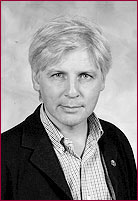 |
Dr. Éric Fombonne - Program Founder and Director, 2004-2012
Eric Fombonne, MD is a Canada Research Chair in Child Psychiatry, Professor of Psychiatry at McGill University, and Director of the Autism Spectrum Disorders Program at the Montreal Children’s Hospital where he has expanded autism services. He worked at INSERM in France and in the UK at the London Institute of Psychiatry. He has been involved in numerous epidemiological studies of autism and is considered to be a leading authority on this topic, and also on the putative links between autism and immunizations. He has also been involved in the development of assessment tools for clinical and research purposes, in family and genetic studies of autism, and in outcome studies. He has a long track record of scientific/research leadership including serving as a consultant for the National Academy of Sciences, the Centers for Disease Control, the American Academy of Pediatrics, the Medical Research Council (UK), the MIND Institute (U.C. Davis) on research matters related to autism. He has been Associate Editor of the Journal of Autism and Developmental Disorders and is on the editorial board of several other scientific journals. He is on the board of several family associations with which he has worked closely over the years
Fombonne E, Quirke S, & Hagen A (2009). Prevalence and interpretation of recent trends in rates of pervasive developmental disorders, McGill Journal of Medicine (in press)
Fombonne E (2009) A wrinkle in time: from early signs to a diagnosis of autism. J Am Acad Child Adolesc Psychiatry, 48(5): 463-464.
Fombonne E (2009) Epidemiology of pervasive developmental disorders. Pediatric Research, 65 (6): 591-598.
Meilleur A-A and Fombonne E, (2009). Regression of language and non-language skills in pervasive developmental disorders. J Intellect Disabil Res, 53(2), 115-124.
Jasmin E., Couture M., McKinley P., Reid G., Fombonne E, and Gisel E. (2009) Sensory-motor responses and daily living skills of preschool children with autism spectrum disorders. Journal of Autism and Developmental Disorders. 39:231-241.
D’Souza Y, Fombonne E , Ward B. (2006) No evidence of persisting measles virus in peripheral blood mononuclear cells from children with autism spectrum disorder. Pediatrics, 118, 1664 - 1675.
Fombonne E, Zakarian R., Bennett A., Meng L., McLean-Heywood D. (2006) Pervasive developmental disorders in Montréal, Québec: prevalence and links with immunizations. Pediatrics, 2006, 118:139-150.
Fombonne E, (2005) Epidemiology of autistic disorder and other pervasive developmental disorders. J Clin Psychiatry, 66 (Suppl), 10: 3-8.
Chakrabarti S., Fombonne E, (2005). Pervasive developmental disorders in preschool children: Confirmation of high prevalence. American Journal of Psychiatry, 162: 1133-1141.
Fombonne E, Chakrabarti S. No evidence for a new variant of Measles-Mumps-Rubella-induced autism. Pediatrics 2001, 108 (4) e58.
back
to the top |
|
|
|
 |
Dr. Krista Hyde
Assistant Professor, Departments of Psychiatry and Neurology and Neurosurgery, Faculty of Medicine, McGill University
Research Scientist, Montreal Children’s Hospital, Research Institute of the McGill University Health Center
Faculty Member, International Laboratory for Brain Music and Sound Research
Montreal, Quebec, Canada
Research overview:
The overall lab mission is to better understand the behavioral and brain correlates of human complex sound processing (i.e. in music and speech) in both typical and atypical development.
Research themes:
• Local and global auditory processing
• Spectral and temporal processing
• Cross-modal processing (i.e., auditory-motor, auditory-visual)
• Brain plasticity / training studies
• Brain connectivity studies
Populations studied (children and adults):
• typical-development
• specialized training (i.e. music and dance)
• developmental disorders:
• autism spectrum disorders
• dyslexia
• tone-deafness
Methods used:
• cognitive and psychophysical measures
• structural (VBM, DTI, cortical thickness) and functional MRI measures
• correlational analyses between brain and behavioral/ clinical measures
Selected publications:
Zwaigenbaum, L., Scherer, S., Szatmari, P., Fombonne, E., Bryson, S.E.,_Hyde, K.L., et al. The NeuroDevNet autism spectrum disorders demonstration project. Seminars In Pediatric Neurology. In press.
Hyde, K.L., Zatorre, R.J., & Peretz, I. (2011). Functional MRI evidence for abnormal neural integrity of the pitch processing network in congenital amusia. Cerebral Cortex, 21(2):292-9.
Samson, F., Hyde, K.L., Bertone, A., Soulières, I., Mendrek, A., Ahad, P., Mottron, L. & Zeffiro, T.A. Atypical resource allocation for processing complex non social sounds in verbal autistics and Asperger individuals. Neuropsychologia. 2010 Dec 28. [Epub ahead of print].
Hyde, K.L., Samson, F., Evans, A.E, Mottron, L. (2010). Neuroanatomical differences in brain areas implicated in perceptual and other core features of autism revealed by cortical thickness analysis and voxel-based morphometry. Human Brain Mapping, 31(4):556-66.
Hyde, K.L., Lerch, J.P., Norton, A., Forgeard, M., Winner, E., Evans, A.C., Schlaug, G. (2009). The effects of musical training on structural brain development: a longitudinal study. Annals of the New York Academy of Sciences, 1169:182-6.
Hyde, K.L., Lerch, J.P., Norton, A., Forgeard, M., Winner, E., Evans, A.C., Schlaug, G. (2009). Musical Training Shapes Structural Brain Development. Journal of Neuroscience, 29(10): 3019-25.
Hyde, K.L., Peretz, I. & Zatorre, R.J. (2008). Evidence for the role of the right auditory cortex in fine pitch resolution. Neuropsychologia, 46(2): 632-639.
Hyde, K.L., Lerch, J.P, Zatorre, R.J., Griffiths, T.D., Evans, A.C. & Peretz, I. (2007). Cortical thickness in congenital amusia: when less is better than more. Journal of Neuroscience, 27(47):13028-32.
Hyde, K.L., Zatorre, R., Griffiths, T.D., Lerch, J. P. & Peretz, I. (2006). Morphometry of the amusic brain: a two-site study. Brain, 129, 2562-2570.
Hyde, K.L., & Peretz, I. (2004). Brains that are out of tune but in time. Psychological Science, 15(5), 356-60.
Hyde, K.L. & Peretz, I. (2003). ‘Out-of-pitch’ but still ‘in-time’: An auditory psychophysical study in congenital amusic adults. Annals of the New York Academy of Sciences, 999, 173-6.
Peretz, I. & Hyde, K.L. (2003). What is specific to music processing? Insights from congenital amusia. Trends in Cognitive Sciences, 7(8), 362-367.
Peretz, I., Champod, A.S., & Hyde, K.L. (2003). Varieties of musical disorders: The Montreal battery of evaluation of amusia. Annals of the New York Academy of Sciences, 999, 58-75.
Ayotte, J., Peretz, I. & Hyde, K. (2002). Congenital amusia: a group study of adults afflicted with a music-specific disorder. Brain, 125, 238-251.
Contact Information:
Krista L. HYDE, PhD
E-mail: [email protected]
back to the top
|
|
|
|
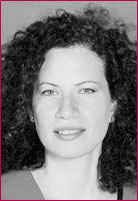 |
Dr. Grace Iarocci
Grace Iarocci is Associate Professor of Psychology and Michael Smith Foundation for Health Research scholar at Simon Fraser University. Her clinical expertise is in child development and psychopathology, specifically diagnosis and psychoeducational assessment of developmental disabilities. Her research focuses on the study of attention, perception and cognition and the relation to social development in typical children and in individuals with developmental disorders. She is also interested in the effects of the child’s mal/adaptation on parental and family health and well-being. Dr. Iarocci also participates in a variety of initiatives geared toward evidence-based clinical and educational practices for persons with autism in a variety of contexts. She is past-president of Autism Community Training, a research affiliate of the Down Syndrome Research Foundation and has served as consultant to the Asante Centre for Fetal Alcohol Spectrum Disorders.
Sokol, B., Muller, U., Carpendale, J., Young, A. & Iarocci, G., (Eds) (2010). Self- and Social-Regulation: Social Interaction and the Development of Social Understanding and Executive Functions. New York: Oxford University Press.
Rombough, A., Barrie, J & Iarocci, G. (in press). Creating a new framework for understanding orienting of social attention in typical and atypical development. In J.A. Burack & J. T. Enns (Eds) Cognitive Neuroscience, Development, and Psychopathology. New York: Oxford University Press.
Iarocci, G., Rombough, A., Yager, J., McLaughlin, J., Weeks, D., & Chua, R. (in press). Visual influences on speech perception in children with autism. Autism.
Iarocci, G., Enns, J. T., Randollph, B., & Burack, J. A. (2009). The modulation of visual orienting reflexes across the lifespan. Developmental Science.
Iarocci, G., Yager, J., & Effers, T. (2007). What gene-environment interactions can tell us about social competence in typical and atypical populations. Brain and Cognition. 65:112-127.
Iarocci, G., Yager, J., Rombough, A., & McLaughlin, J (2007). The development of social competence among persons with Down syndrome: From survival to social inclusion. International Review of Research on Mental Retardation, 35, 87-119.
Grace Iarocci, Ph.D
Assistant Professor
Department of Psychology
Simon Fraser University
8888 University Drive
Burnaby, B.C. Canada V5A 1S6
Tel: 604-812-4248
Fax: 778-782-3427
back
to the top |
|
|
|
 |
Dr. Shannon Johnson
Shannon Johnson is Associate Professor of Psychology and Director of the Clinical and Cognitive Neuropsychology Laboratory at Dalhousie University. She holds cross-appointments in the Departments of Pediatrics and Psychiatry and is a Scientific Staff member at the IWK Health Centre. Dr. Johnson received her Ph.D. in Clinical Neuropsychology from the University of Victoria. She completed her clinical internship at the Medical University of South Carolina and a post-doctoral fellowship in the Clinical and Cognitive Neuroscience Laboratory at Indiana University. Dr. Johnson’s research focuses on understanding differences in perception, cognition, and social-cognition in individuals with an autism spectrum diagnosis. She has a particular interest in clinical topics that are pertinent to adolescents and adults with ASD. Research topics in her lab span several areas of psychology including clinical psychology, health psychology, neuropsychology, cognitive psychology, and neuroscience. She also has experience with neurodegenerative and other neurodevelopmental disorders. Her teaching at Dalhousie focuses on child psychopathology and child assessment. Dr. Johnson is part of the ART Program Advisory Committee since 2011.
Recent publications
Bandstra, N.F., Johnson, S.A., Filliter, J.H. & Chambers, C.T. (in press). Self- and parent-reported pain for common painful events in children and adolescents with autism spectrum disorders. Clinical Journal of Pain.
Goodman, L., Phelan, H.L.. Johnson, S.A. (2012). Sex differences for the recognition of direct versus averted gaze faces. Memory, 20, 199-209.
Phelan, H.L., Filliter, J.H., & Johnson, S.A. (2011). Memory performance on the California Verbal Learning Test – Children’s Version in autism spectrum disorder. Journal of Autism and Developmental Disorders, 41, 518-523
Johnson, S.A., Blaha, L.M., Houpt, J.W., & Townsend, J.T. (2010). Systems Factorial Technology provides new insights on global-local information processing in autism spectrum disorders. Journal of Mathematical Psychology. 54, 53-72.
Johnson, S.A., Filliter, J.H., & Murphy, R.R. (2009). Discrepancies between self and parent perceptions of autistic traits and empathy in high functioning children and adolescents on the autism spectrum. Journal of Autism and Developmental Disorders, 39 (12), 1706 - 1715.
Johnson, S.A., Yechiam, E., Murphy, R.R., Queller, S., & Stout, J.C. (2006). Motivational processes and autonomic responsivity in Asperger’s Disorder: Evidence from the Iowa gambling task. Journal of the International Neuropsychological Society, 12(5), 668-676.
Contact Info
Shannon Johnson, Ph.D. (Registered Psychologist)
Assistant Professor
Department of Psychology
Dalhousie University
1355 Oxford Street
Halifax, Nova Scotia B3H 4J1
office: 902-494-4504
[email protected]
back
to the top |
|
|
|
 |
Dr. Elizabeth Kelley
Dr. Beth Kelley grew up in Toronto and first became interested in individuals with autism while doing some volunteer work in the preschool at Surrey Place. She completed her undergraduate degree in Psychology at York University in 2000, and received her PhD in Developmental Psychology from the University of Connecticut in 2006, whereupon she accepted a position in the Psychology Department at Queen's University. Dr. Kelley has published in a number of prestigious journals including "Child Development", "Current Directions in Psychological Science" and the "Journal of Autism and Developmental Disorders". She is funded by the National Institutes of Health, Canadian Foundation for Innovation, and Autism Speaks.
Her research interests vary widely yet are all related to the idea that social difficulties are the core feature of ASD. She currently is conducting projects in the following diverse areas:
- the ability of children with ASD to deceive others
- how sensory difficulties are related to language development and social withdrawal in young children with ASD
- the effects of social versus nonsocial reward in the propensity and ability of young children with ASD to engage in imitative tasks
- how adaptive behavior develops across the lifespan in individuals with ASD
- the relationships between repetitive behaviours, sensory functioning and social development
- the experiences of being victimized by one’s peers in high-functioning adolescents with ASD and how this is related to their overall socioemotional functioning
- how attention and executive functioning relate to social difficulties in adolescents with ASD
- children who have a history of ASD yet no longer meet the criteria for a diagnosis
Publications:
Li, A. S. M., Kelley, E., Evans, A., & Lee, K. (in press). Exploring the ability to deceive
in children with autism spectrum disorders. Journal of Autism and Developmental Disorders. DOI 10.1007/s10803-010-1045-4
Brown, H., Ouellette-Kuntz, H., Hunter, D., & Kelley, E. (2010). Assessing need in
school-aged children with an autism spectrum disorder. Research in Autism Spectrum Disorders, 4, 539-547. doi:10.1016/j.rasd.2009.12.009
Kelley, E., Naigles, L., & Fein, D. (2010). An in-depth examination of optimal outcome
children with a history of autism spectrum disorders. Research in Autism Spectrum Disorders, 4, 526-538. doi:10.1016/j.rasd.2009.12.001
Helt, M., Kelley, E., Kinsbourne, M. Pandey, J., Boorstein, H., Herbert, M., & Fein, D.
(2008). Can children with autism recover? If so, how? Neuropsychology Reviews,18, 339-366.
Kamio, Y., Kelley, E., Robins, D., Swainson, B., & Fein, D (2007). Atypical lexical/semantic processing in high-functioning pervasive developmental disorders without early language delay. Journal of Autism and Developmental Disorders, 37, 1116-1122.
Swensen, L., Kelley, E., Fein, D., & Naigles, L. (2007). Children with
autism display typical language learning characteristics: Evidence from preferential
looking. Child Development, 78, 542-557.
Kelley, E., Paul, J., Fein, D., & Naigles, L. R. (2006). Residual language deficits
in optimal outcome children with a history of autism. Journal of Autism andDevelopmental Disorders, 36, 807-828.
Elizabeth Kelley, PhD
Assistant Professor
Department of Psychology
Queen's University
62 Arch St., H351
Kingston, ON K7L 3N6 CANADA
Phone: 613-533-2491
Fax: 613-533-2499
http://psyc.queensu.ca/asdstudies/index.html
back
to the top |
|
|
|
 |
Dr. Tara Kennedy
Tara Kennedy, MD, PhD, FRCPC, is a Developmental Paediatrician who works with children and families affected by autism in her position as Clinical Leader of Paediatric Autism Rehabilitation Services at the Stan Cassidy Centre for Rehabilitation in Fredericton, New Brunswick. She is an Assistant Professor of Paediatrics at Dalhousie University. Dr. Kennedy received her paediatric training at Dalhousie University and her Developmental Paediatrics Fellowship training at the University of Toronto. She is actively involved in advocacy at the community level, and in the development and delivery of educational programs in the field of Child Development for medical trainees, physicians, and other health care professionals across North America.
Dr. Kennedy’s academic interests are in the domain of Medical Education. She has a Master’s of Education degree from the Ontario Institute for Studies in Education, and a PhD in Medical Education from the Institute of Medical Science and the Wilson Centre, Faculty of Medicine, University of Toronto. Her research employs qualitative research methodology to explore issues related to independence in clinical training and supervision of clinical trainees. Other areas of research interest include knowledge translation, patient safety, and professional socialization.
Selected publications:
Kennedy, TJT, Regehr, G, Baker, GR, and Lingard, L. “Not unless it seems urgent”: A grounded theory study of credibility preservation during medical trainee requests for clinical support. BMJ, 2009, 338:b128.
Kennedy, TJT, Regehr, G, Baker, GR, and Lingard, L. Point of care assessment of trainee competence for independent clinical work. Academic Medicine, 2008, 83(10 suppl): S89-92.
Kennedy, TJT, Lingard, L, Baker, GR, Kitchen, L, and Regehr, G. Clinical oversight: Conceptualizing the relationship between supervision and safety. Journal of General Internal Medicine, 2007, 22(8): 1080-85.
Kennedy, TJT, and Lingard, L. Making sense of Grounded Theory. Medical Education, 2006, 40: 101–108.
Kennedy, TJT, Regehr, G, Rosenfield, J, Roberts, W, and Lingard, L. Exploring the gap between knowledge and behaviour: A qualitative study of clinician action following an educational intervention. Academic Medicine, 2004, 79: 386-393.
back
to the top |
|
|
|
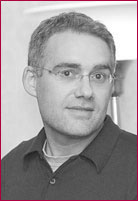 |
Dr. Alan Kingstone
Alan Kingstone, PHD, is a Distinguished University Professor at the University of British Columbia. He is interested in how the brain subserves human attention and behaviour in everyday life. His research on social attention is particularly relevant to the present program.
Recent publications are available at:
http://web.mac.com/alan.kingstone/Site/Publications.html
back
to the top
|
|
|
|
 |
Dr. Pat Mirenda
Dr. Pat Mirenda is a Professor in the Department of Educational and Counseling Psychology and Special Education at the University of British Columbia (UBC) and Director of the Center for Interdisciplinary Research and Collaboration in Autism (CIRCA). She is also a Board Certified Behavior Analyst and is responsible for BACB-approved graduate coursework at UBC. She has an extensive publication record and teaches courses on autism, augmentative communication, positive behaviour support, and inclusive education. The fourth edition of her co-authored book “Augmentative and alternative communication: Supporting children and adults and complex communication needs” was published in 2012. In addition, she co-edited “Autism spectrum disorders and AAC” (augmentative and alternative communication), which was published in 2009. Her current research includes a Canada-wide study of developmental trajectories in children with autism, a study of the effectiveness of self-advocacy training with adolescents with Asperger’s syndrome, and studies of the use of video modeling and voice-output communication aids with children with autism. Dr. Mirenda is part of the ART Program Advisory Committee since 2007.
Selected Publications (past 5 years only):
Ohashi, J. K., Mirenda, P., Marinova-Todd, S., Hambly, C., Fombonne, E., Szatmari, P., Bryson, S., Roberts, W., Smith, I., Vaillancourt, T., Volden, J., Waddell, C., Zwaigenbaum, L., Georgiades, S., Duku, E., Thompson, A., and the Pathways in ASD Study Team (2012). Comparing early language development in monolingual- and bilingual-exposed young children with autism spectrum disorders. Research in Autism Spectrum Disorders, 6, 890-897.
Rinald, K., & Mirenda, P. (2012). Effectiveness of a modified rapid toilet training workshop for parents of children with developmental disabilities. Research in Developmental Disabilities, 33, 933-943.
Georgiades, S., Szatmari, P., Duku, E., Zwaigenbaum, L., Bryson, S., Roberts, W., Fombonne, E., Mirenda, P., Smith, I., Vaillancourt, T., Volden, J., Waddell, C., Thompson, A., & Pathways in ASD Study Team. (2011). Phenotypic overlap between core diagnostic and emotional/behavioral symptoms in preschool children with autism spectrum disorder. Journal of Autism and Developmental Disorders, 41, 1321-1329.
Jull, S., & Mirenda, P. (2011). Parents as play date facilitators for preschoolers with autism. Journal of Positive Behavior Interventions, 13, 17-30.
Petersen, J., Marinova-Todd, S., & Mirenda, P. (2011). Brief report: An exploratory study of lexical skills in bilingual children with autism spectrum disorder. Journal of Autism and Developmental Disorders. doi 10.1007/s10803-011-1366-y.
Trottier, N., Kamp, L., & Mirenda, P. (2011). Effects of peer-mediated instruction to teach use of speech-generating devices to school-age children with autism spectrum disorder in social game routines. Augmentative and Alternative Communication, 27, 26-39.
Volden, J., Smith, I. M., Szatmari, P., Bryson, S., Fombonne, E., Mirenda, P., Roberts, W., Vaillancourt, T., Waddell, C., Zwaigenbaum, L., Georgiades, S., Duku, E., Thompson, A., and the Pathways in ASD Study Team (2011). Using the Preschool Language Scale, Fourth Edition to characterize language in preschoolers with ASD. American Journal of Speech-Language Pathology, 20, 200-208.
Zaidman-Zait, A., Mirenda, P., Zumbo, B., Georgiades, S., Szatmari, P., Bryson, S., Fombonne, E., Roberts, W., Smith, I., Vaillancourt, T., Volden, J., Waddell, C., Zwaigenbaum, L., Duku, E., Thompson, A., and the Pathways in ASD Study Team. (2011). Factor analysis of the Parenting Stress Index-Short Form with parents of young children with autism spectrum disorders. Autism Research, 4 336-346.
Bopp, K., & Mirenda, P. (2010). Prelinguistic predictors of language development in children with autism spectrum disorders over 4-5 years. Journal of Child Language, 37, 1-19.
Mirenda, P., Smith, I., Vaillancourt, T., Duku, E., Georgiades, S., Szatmari, P., Bryson, S., Fombonne, E., Roberts,, W., Smith, I., Volden, J., Waddell, C., Zwaigenbaum, L., & the Pathways in ASD Study Team. (2010). Validating the Repetitive Behavior Scale-Revised in young children with autism spectrum disorder. Journal of Autism and Developmental Disorders, 40, 1521-1530.
Kleeberger, V., & Mirenda, P. (2010). Teaching generalized imitation skills to a preschooler with autism using video modeling. Journal of Positive Behavior Interventions, 21, 116-127.
Zaidman-Zait, A., Mirenda, P., Zumbo, B., Wellington, S., Kalynchuk, K., & Dua, V. (2010). An item response theory analysis of the Parenting Stress Index-Short Form among mothers of children with autism. Journal of Child Psychology and Psychiatry, 51, 1269-1277.
Bopp, K., Mirenda, P., & Zumbo, B. (2009). Behavior predictors of language development over two years in children with autism spectrum disorders. Journal of Speech, Language, and Hearing Research, 52, 1106-1120.
Mirenda, P. (2008). A back door approach to autism and AAC. Augmentative and Alternative Communication, 24, 219-233.
Stock, R., Schulze, K., & Mirenda, P. (2008). A comparison of stimulus-stimulus pairing, standard echoic training, and control procedures on the vocal behavior of children with autism. The Analysis of Verbal Behavior, 24, 123-133.
Smith, V., Mirenda P., & Zaidman-Zait, A. (2007). Predictors of expressive vocabulary growth in children with autism. Journal of Speech, Language, and Hearing Research, 50, 149-160.
Pat Mirenda, PhD., BCBA, Professor
Dept. of Educational and Counseling Psychology and Special Education
The University of British Columbia
2125 Main Mall
Vancouver, BC
V6T 1Z4
Tel: 604-822-6296
Fax: 604-822-3302
E-Mail: [email protected]
Website: http://educ.ubc.ca/faculty/pmirenda/index.html
back
to the top |
|
|
|
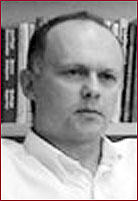 |
Dr. Chris Moore
Dr. Chris Moore, Ph.D., is Dean of Science and Professor of Psychology at Dalhousie University. He is best known for his research on various aspects of the development of social understanding in normally developing infants and preschoolers, as well as his theoretical work with John Barresi on the nature of social understanding. He has published on the development of joint attention, theory of mind, and future-oriented reasoning. He has also collaborated on work applying techniques for the study of joint attention to children with autism. He has edited seminal books on Theory of Mind and Joint Attention and in 2006 published his book, "The Development of Commonsense Psychology.". Through the Clinical Ph.D. program at Dalhousie, he has supervised graduate students who are now employed as clinical psychologists in
Nova Scotia.
Publications:
Garon, N., & Moore, C. (2004). Complex decision-making in early childhood. Brain and Cognition, 55(1); 158-70.
MacPherson, A. C., Klein, R. M., & Moore, C. (2003). Inhibition of return in children and adolescents. Journal of Experimental Child Psychology, 85; 337-51.
back
to the top |
|
|
|
 |
Dr. Laurent
Mottron
Dr L. Mottron, M.D., Ph.D., is an full Professor of Psychiatry at Université de Montréal and is internationally recognized for his work on cognition in pervasive developmental disorders. He has been awarded of the Chaire Marcel et Rolande Gosselin en neurosciences cognitives de l'autisme in 2008. Since his seminal paper in 1993, which was the first to describe atypical perception of visual, local-global properties in autism, he is responsible for several innovative findings in visual and auditory perception in autism. These findings have contributed to modify the cognitive models of autism, by emphasizing the role of abnormal perception of non-social information in the symptoms of autism. L. Mottron is also the scientific director of the Centre d'excellence En Troubles Envahissants du Développement de l'Université de Montréal (CETEDUM), which associates clinicians and researchers of Rivière-des-Prairies and Saint justine hospitals in a common organisation. In addition, he is involved in genetic studies, provides expertise on autism to several parental associations and policy makers, and lectures throughout the world as an invited speaker.
Publications:
Soulières, I., Dawson, M., Samson, F., Barbeau, E. B., Sahyoun, C. P., Strangman, G. E., Zeffiro, T. A., Mottron, L. (2009). Enhanced visual processing contributes to matrix reasoning in autism. Human Brain Mapping, 30(12); 4082-107.
Dawson, M., Soulières, I., Gernsbacher, M. A., Mottron, L. (2007). Research report : The level and nature of autistic intelligence. Psychological Science, 18(8); 657-62.
Caron, M.-J., Mottron, L., Berthiaume, C., & Dawson, M. (2006). Cognitive mechanisms, specificity and neural underpinnings of visuospatial peaks in autism. Brain, 129; 1789-1802.
Mottron, L., Dawson, M., Soulières, I., Hubert, B., & Burack, J. (2006). Enhanced perceptual functioning in autism: An update, and eight principles of autistic perception. Journal of Autism and Developmental Disorders, 36(1); 27-43
back
to the top |
|
|
|
 |
Dr. Gina Muckle
Gina Muckle, Ph.D. is a Full Professor of Developmental Psychology at Laval University. Researcher at the CHU de Québec Research Center in Québec City, she was also a Member of the Advisory Board for the Institute of Human Development, Child and Youth Health (IHDCYH) and Member of the Challenge Advisory Panel for Chemical Substances. Her area of expertise is behavioural and developmental teratology integrating epidemiological and toxicological based concepts. Her research is focused on the health, behaviour and development of infants and children. She is interested in the effects of prenatal exposure to teratogenic substances, such as tobacco, alcohol and environmental contaminants (mercury, lead, etc.). She is also interested in the determinants of the development of Inuit children, determinants such as anemia, familial violence and maternal distress. Her work has been funded by NIH, CIHR, FRSQ, Indian and Northern Affairs Canada and Health Canada.
Recent publications (since 2011):
(*Corresponding author; + PhD student; post-doctoral researcher or research personnel under supervision)
+Desrosiers, C., +Boucher, O., +Forget-Dubois, N., Dewailly, E., Ayotte, P., Jacobson, S.W., Jacobson, J.L., *Muckle, G. (2013). Associations Between Prenatal Cigarette Smoke Exposure and Externalized Behaviors at School Age Among Inuit Children Exposed to Environmental Contaminants, Neurotoxicology and Teratology. doi: 10.1016/j.ntt.2013.07.010
Arbuckle, T., Fraser, W.D., Fisher, M. et al. (2013). Cohort profile : The maternal-Infant research on environmental Chemicals Research Platform. Paediatric and Perinatal Epidemiology, 27:415-425. doi: 10.111/ppe.12061
Dion, L.-A., Muckle, G., Bastien, C., Jacobson, S.W., Jacobson, J.L., Saint-Amour, D. (2013). Sex differences in visual evoked potentials in school-age children: What is the evidence beyond the checkerboard? International Journal of Psychophysiology. doi: 10.1016/j.ijpsycho.2013.03.001
+Dallaire, R., Dewailly, É., Ayotte, P., +Forget-Dubois, N., Jacobson, S.W., Jacobson J.L.,*Muckle, G. (2013). Effects of exposure to persistent organic pollutants and mercury through fish and marine mammal consumption on growth and gestation of Inuit newborns. Environmental International, 54: 85-91. doi: 10.1016/j.envint.2013.01.013
+Boucher, O., +Simard, M.-N., *Muckle, G., Rouget, F., Kadhel, P., Bataille, H., Chajès, V.,+Dallaire, R., Monfort, C., Thomé, J.-P., Multigner, L., & Cordier, S. (2013). Exposure to an organochlorine pesticide (chlordecone) and development of 18-month-old infants.NeuroToxicology, 35: 162-168.
+Pelé, F., Muckle, G., Costet, N., Garlantézec, R., Monfort, C., Multigner, L., Rouget, F., Cordier, S. (2013). Occupational solvent exposure during pregnancy and child behaviour at age2. Occupational Environmental Medicine, 70(2): 114-119. [PMID: 23112267].
Verner, M.A., Sonneborn, D., Lancz, K., Muckle, G., Ayotte, P., Dewailly, E., Kocan, A., Palkovičová, L., Trnovec, T., Haddad, S., Hertz-Picciotto, I., Eggesbø, M. (2013). Toxicokinetic Modeling of Persistent Organic Pollutant Levels in Blood from Birth to 45 Months of Age in Longitudinal Birth Cohort Studies. Environmental Health Perspectives, 121(1): 131-7. [PMID: 23086694].
Galloway, T., Niclasen, B.V.L., Muckle, G., Young, K., Egeland, G.M. (2012). Growth measures among preschool-age Inuit children living in Canada and Greenland. Scandinavian Journal of Public Health, 29. [PMID: 23108476].
Saint-Amour, D., Ethier, A. A., Boucher, O., Plusquellec, P., Bastien, C.H., Dewailly, E., Ayotte, P., Jacobson, S.W., Jacobson, J.L. Muckle, G. (2012). Contribution des neurosciences cognitives pour l'étude de l'impact des contaminants environnementaux sur le développement des fonctions cérébrales. Revue de Neuropsychologie, 4(3) : 163-173.
+Boucher, O., Jacobson, S.W., Plusquellec, P., Dewailly, E., Ayotte, P., +Forget-Dubois, N., Jacobson, J.L., & Muckle, G.* (2012). Prenatal methylmercury and postnatal lead exposure: risk factors for attention deficit hyperactivity disorder among Inuit children in Arctic Quebec. Environmental Health Perspectives, 120(10), 1456-1461.
Couture, A., Lévesque, B., Dewailly, É., Muckle, G., Déry, S., J.F. Proulx (2012). Lead exposure in Nunavik : From research to action. International Journal of Circumpolar Health, 71: 18591. [PMID: 22818717].
+Dallaire, R., Muckle, G.*, Rouget, F., Seurin, S., Monfort, C., Multigner, L., Bataille, H., Kadhel, P., Thomé, J.P., Jacobson, S. W., Boucher, O., Cordier, S. (2012). Cognitive, visual and motor development of infants exposed to chlordecone in Guadeloupe. Environmental Research, 118: 79-85.
+Boucher, O., Burden, M. J., Muckle, G., Saint-Amour, D., Ayotte, P., Dewailly, E., Nelson, C. A., Jacobson, S. W., and Jacobson, J. L. (2012). Response inhibition and error monitoring during a visual Go/No-go task in Inuit children exposed to lead, polychlorinated biphenyls, and methylmercury. Environmental Health Perspectives, 120: 608-615.
Valera, B., Muckle, B., Poirier, P., Jacobson, S.W., Jacobson, J.L., Dewailly, É. (2012). Cardiac autonomic activity and blood pressure among Inuit children exposed to mercury. Neurotoxicology, 33: 1067-1074.
Ethier, A.A., Muckle, G., Bastien, C., Dewailly, E., Ayotte, P., Arfken, C., Jacobson, S.W., Jacobson, J.L., Saint-Amour, D. (2012). Effects of environmental contaminant exposure on visual brain development: A prospective electrophysiological study in school-aged children. Neurotoxicology, 33(5):1075-85. [PMID: 22683800].
+Fraser, S.L, Muckle, G.*, Abdous, B.B., Jacobson, J.L., Jacobson, S.W. (2012) Effects of binge drinking on infant growth and development in an Inuit sample. Alcohol, 46(3):277-83.
*Muckle, G., +Laflamme, D., +Gagnon, J., +Boucher, O., Jacobson, J.L. and S. W. Jacobson (2011). Alcohol, Smoking, and Drug use among Inuit women of childbearing age during pregnancy and the risk to children. Alcoholism : Clinical and experimental research. 35(6): 1081-1091.
+Boucher, O., Burden, M.J., Muckle, G., Saint-Amour, D., Ayotte, P., Dewailly, É., Nelson, C.A., Jacobson, S.W., & Jacobson, J.L. (2011). Neurophysiologic and neurobehavioral evidence of beneficial effects of prenatal omega-3 fatty acid intake on memory function at school age. The American Journal of Clinical Nutrition, 03, 1025-1037.
Ouellet-Morin, I., Dionne, G., Lupien, S.J., Muckle, G., Côté, S., Pérusse, D., Tremblay, R.E., Boivin, M. (2011). Prenatal alcohol exposure and cortisol activity in 19-month-old toddlers: An investigation of the moderating effects of sex and testosterone. Psychopharmacology. 214:297- 307
Jacques, C., Levy, É., Muckle, G., Jacobson, S.W., Bastien, C.H., Dewailly, É., Ayotte, J.L., Saint-Amour, D. (2011). Long-term Effects of Prenatal Omega-3 Fatty Acid Intake on Visual Function in School-Age Children. The Journal of Pediatrics. 158(1) 83-90.
Gina Muckle, Ph.D.
Professor
École de psychologie,
Pavillon Félix-Antoine Savard
2325, rue des Bibliothèques
Université Laval, Québec (QC), G1V 0A6
Tel. : 418-656-2131 poste 4680
Fax : 418-656-3646
E-mail : [email protected]
back
to the top |
|
|
|
 |
Dr. David Nicholas
Dr. David Nicholas is Associate Professor in the Faculty of Social Work, University of Calgary, and is cross appointed as a Senior Associate Scientist, Research Institute at The Hospital for Sick Children, Toronto. He brings a strong background in quality of life research with a focus on family experience related to childhood disability and chronic health conditions. Currently, he is evaluating two recently developed, innovative online social support interventions for youth and parents respectively. He is principal investigator in current studies examining both mothers’ and fathers’ caregiving roles and experiences related to autism as well as co-leading a systematic review of interventions for children and adults with autism. He is currently completing a book examining family-centred care as it relates to inter-professional practice. This examination addresses means for understanding and supporting the role of family members, in the context of inter-professional teams, as they facilitate and support service delivery plans for young persons with chronic conditions. Dr. Nicholas holds funding from the Canadian Institutes for Health Research and the Social Sciences and Humanities Research Council of Canada. He brings leadership in the examination of psychosocial adaptation to childhood chronic illness and disability, and has a particular interest and background in knowledge translation.
Interests: Quality of life, social support, parenting, the use of advanced technology in fostering support, and knowledge translation and mobilization.
Associate Professor
Location: Edmonton
Telephone: 780.492.8094
Email: [email protected]
Degrees: PhD
back
to the top |
|
|
|
 |
Aparna Nadig
Aparna Nadig attained a PhD in Cognitive Science and then moved into autism research via postdoctoral training with Dr. Sally Ozonoff at the UC Davis MIND Institute. She is currently Associate Professor in the School of Communication Sciences and Disorders at McGill University in Montreal. She is the director of the PoP Lab, whose research focuses on pragmatic development, social communication, and language and communication in individuals with autism spectrum disorders. This research has spanned development from infants at risk for autism to transition support programs for adults with ASD.
Publications:
Nadig, A., & Shaw, H. (FirstView 2012). Acoustic marking of prominence: How do preadolescent speakers with and without high-functioning autism mark contrast in an interactive task? Language and Cognitive Processes.
Bang, J., Burns, J. & Nadig, A. (FirstView 2012). Conveying subjectivity in conversation: Mental state terms and personal narratives in typical development and children with high functioning autism. Journal of Autism and Developmental Disorders.
Bani Hani, H., Gonzalez-Barrero, A. & Nadig, A. (FirstView, Oct 2012). Children's referential understanding of novel words and parent labelling behaviours: similarities across children with and without autism spectrum disorders. Journal of Child Language, 1-32.
Bourguignon, N., Nadig, A. & Valois, D. (2012). The Biolinguistics of Autism: Emergent Perspectives. Biolinguistics, 6 (2), 124-165.
Nadig, A. & Shaw, H. (2011). Expressive prosody in high-functioning autism: Increased pitch range and what it means to listeners. Journal of Autism and Developmental Disorders, 42 (4), 499-511.
Vivanti, G., McCormick, C., Young, G., Abucayan, F., Hatt., N., Nadig, A., Ozonoff, S. and Rogers, S. (2011). Intact and impaired mechanisms of action understanding in autism. Developmental Psychology, 47 (3), 841-856.
Nadig, A., Lee, I., Singh, L., Bosshart, K. & Ozonoff, S. (2010). How does the topic of conversation affect verbal exchange and eye gaze? A comparison between typical development and high-functioning autism. Neuropsychologia, 48 (9), 2730-2739.
Nadig, A., Vivanti, G. & Ozonoff, S. (2009). Object descriptions under different communicative demands: How do children with and without autism adapt? Autism Research, 2, 1-14.
Aparna Nadig, Ph.D.
Associate Professor, McGill University
School of Communication Sciences and Disorders
1266 Pine Avenue West
Montreal, QC H3G 1A8
Phone: 514.398.4141
Fax: 514.398.8123
[email protected]
Lab Website -- http://poplab.mcgill.ca/index.html
back
to the top
|
|
|
|
 |
Dr. Rob Nicolson
Dr. Nicolson attended medical school at The University of Western Ontario and completed his residency in Psychiatry at the University of Toronto. Following the completion of his residency in Psychiatry at The University of Toronto, he worked as a visiting scientist in the Child Psychiatry Branch of the National Institute of Mental Health in Bethesda, Maryland. Dr. Nicolson is an Associate Professor in the Departments of Psychiatry, Psychology, and Medical Biophysics at The University of Western Ontario. He is also Chair of the Division of Developmental Disabilities and co-director of the Autism Research Program at Western. Dr. Nicolson’s research focuses on brain imaging in autism using a variety of imaging modalities.
Selected publications:
Brun CC, Nicolson R, Leporé N, Chou YY, Vidal CN, Devito TJ, Drost DJ, Williamson PC, Rajakumar N, Toga AW, Thompson PM. Mapping brain abnormalities in boys with autism. Human Brain Mapping 2009;30:3887-3900.
Vidal CN, Nicolson R, DeVito T, Hayashi KM, Gaega J, Drost DJ, Williamson PC, Rajakumar N, Toga AW, Thompson PM. Three-dimensional mapping of the lateral ventricles in autism. Psychiatry Research: Neuroimaging 2008;163:106-115.
DeVito TJ, Drost DJ, Neufeld RWJ, Rajakumar N, Pavlosky W, Williamson PC, Nicolson R. Evidence for cortical dysfunction in autism: a proton magnetic resonance spectroscopic imaging study. Biological Psychiatry 2007;61:465-473.
Nicolson R, DeVito TJ, Vidal CN, Sui Y, Hayashi KM, Drost DJ, Williamson PC, Nagalingam R, Toga AW, Thompson PM. Detection and mapping of hippocampal abnormalities in autism. Psychiatry Research: Neuroimaging 2006;148:11-21.
Vidal CN, Nicolson R, DeVito T, Hayashi KM, Gaega J, Drost DJ, Williamson PC, Rajakumar N, Sui Y, Dutton RA, Toga AW, Thompson PM. Mapping corpus callosum deficits in autism: an index of aberrant cortical connectivity. Biological Psychiatry 2006;60:218-225.
Hendry J, DeVito T, Gelman N, Rajakumar N, Williamson PC, Drost D, Nicolson R. Tissue abnormalities in autism detected through transverse relaxation time imaging. NeuroImage 2006;29:1049-1057.
Nicolson R, Craven-Thuss B, Smith J. A prospective, open-label trial of galantamine in autistic disorder. Journal of Child and Adolescent Psychopharmacology 2006;16:621-629.
Rob Nicolson
Department of Psychiatry,
The University of Western Ontario
800 Commissioners Road East,
B8-026,
London, Ontario.
N6A-5W9.
Phone: (519) 685-8427
Fax: (519) 685-8595
Email: [email protected]
back
to the top |
|
|
|
 |
Dr. Andrew Paterson
Andrew Paterson is a Senior Scientist in the Program in Genetics and Genome Biology at The Hospital for Sick Children Research Institute in Toronto. He is an Associate Director of The Center for Applied Genomics, a Canadian Genome Center also at The Hospital for Sick Children, and also an Associate Professor in the Epidemiology and Biostatistics Division at the Dalla Lana School of Public Health and Institute of Medical Sciences at the University of Toronto.
His scientific interests concentrate on the genetics of human diseases. Specifically, he is the lead investigator on large study to investigate the genetic determinants of risk for long-term complications of type 1 diabetes, including eye and kidney disease. He is a member of ‘CANAGEN’ a Canadian study led by Peter Szatmari and Steve Scherer on the genetics of autism and related traits and through this is an active member of the Autism Genome Project. He has also worked on a number of other traits, including bleeding disorders, kidney disease, inflammatory bowel disease, measures of eye sight, heart rate, breast density and blood pressure.
Dr. Paterson has published over 150 papers in various scientific journals. He has presented his research nationally and internationally at numerous conferences and universities.
Paterson AD (2006) Genetic epidemiology of type 1 diabetes. Current
Diabetes Reports, 6, 139-46. (SRA)
James PD, Paterson AD, Notley C, Cameron C, Hegadorn C, Tinlin
S, Brown C, O’Brien L, Leggo J, Lillicrap D, Association
of Hemophilia Clinic Directors of Canada, (2006) Genetic Linkage
and Association Analysis in Type 1 von Willebrand Disease: Results
from the Canadian Type 1 VWD Study. Journal of Thrombosis and
Hemostasis 4, 783-792. (CPA)
Vincent JB, Horike SI, Choufani S, Paterson AD, Roberts W, Szatmari
P, Weksberg R, Fernandez BA, Scherer SW (2006) An Inversion inv
(4) (p12-p15.3) in Autistic Siblings Implicates the 4p GABA Receptor
Gene Cluster. Journal of Medical Genetics 43, 429-434.
Rafiq MA, Faiyaz-ul-Haque M, Amin ud Din M, Malik S, Sohail
M, Anwar M, Haque S, Paterson AD, Tsui L-C, Ahmad W (2005) A
novel locus of ectodermal dysplasia maps to chromosome 10q 24.32-q25.1.
Journal of Investigative Dermatology, 124, 338-342.
Lohi H, Young EJ, Fitzmaurice SN, Rusbridge C, Chan EM, Vervoort
M, Turnbull J, Zhao XC, Ianzano L, Paterson AD, Sutter NB, Ostrander
EA, Andre C, Shelton GD, Ackerley CA, Scherer SW, Minassian BA
(2005) Expanded repeat in canine epilepsy. Science, 307, 81.
Venken T, Claes S, Sluijs S, Paterson AD, van Duijn C, Adolfsson
R, Del-Favero J, Van Broeckhoven C (2005) Genomewide scan for
affective disorder susceptibility loci in families of a northern
Swedish isolated population. American Journal of Human Genetics,
76, 237–248.
Paterson AD, Magistroni R, He N, Wang K, Johnson A, Fain PR,
Dicks E, Parfrey P, St. George-Hyslop P, Pei Y (2005) Progressive
loss of renal function is an age-dependent heritable trait in
type 1 autosomal dominant polycystic kidney disease. Journal
of the American Society of Nephrology, 16, 755-762.
Dr Andrew Paterson
Canada Research Chair in Genetics of Complex Diseases
Scientist, Program in Genetics and Genome Biology
The Hospital for Sick Children
TMDT Building East Tower, Rm 15-707
101 College Street
Toronto, Ontario
M5G 1L7
Canada
Tel (416) 813 6994
Fax (416) 813 2150
[email protected]
http://www.sickkids.ca/research/custom/profiles/paterson.asp
back
to the top |
|
|
|
 |
Dr. Wendy
Roberts
Dr. Roberts is
a Developmental Paediatrician who completed her MD training at
the University of
Toronto in 1972 and obtained her FRCP in Paediatrics in 1977. Currently,
she is an Associate Professor in the Department of Paediatrics,
University of Toronto with an appointment as a Developmental Paediatrician,
Division of Neurology at The Hospital for Sick Children. She is
the Director of the Child Development Centre, Division of Neurology,
co-director of the Autism Research Unit and Project Director in
the Research Institute at The Hospital for Sick Children. Dr. Roberts
regularly provides workshops, including TeleHealth sessions, for
community paediatricians, family physicians, and colleagues from
other disciplines in large and small communities across Canada
and internationally. She received the Colin R. Woolf Award for
Teaching Excellence at the University of Toronto in 2004 primarily
for teaching “Seeing the Full Spectrum: Children with Autism,” courses
that are held at the University of Toronto Paediatric Updates each
Spring. She also received the 2001 Hospital for Sick Children Foundation
Claus Wirsig Humanitarian Award and the 2003 Paediatric Education
Resident Lecture Series [PERLS] Award.
Dr. Roberts research interests in Learning Disabilities, ADHD and
Autism have been accompanied by an interest in understanding more
about the techniques of effective communication: transfer of information
from parent to child, teacher to student, and physician to patient
as well as the translation of research into practice. Current areas
of active research include early identification, genetics and intervention
trials in Autism.
Dr. Roberts is an active member in the Child Development community.
She regularly reviews articles and grants for a variety of journals
and granting agencies. She also sits on the Resident Selection
and Continuing Medical Education Committees in the Department of
Paediatrics and is part of their Faculty Mentorship Program.
Publications:
Kennedy T, Regehr G, Rosenfield J, Roberts W, Lingard L: Degrees
of
gap between knowledge and behaviour: A qualitative study of
clinician action following an educational intervention. Academic
Medicine.
In press
Bryson S, Zwaigenbaum L, Roberts W: The Early Detection of
Autism in
Clinical Practice. Paediatrics & Child Health 9, No 4219: pp
219-221.
Kagan-Kushnir, T, Roberts W, Snead OC: Screening EEG's in Autism
Spectrum Disorder: An evidence-based guideline. Journal Child
Neurology. In Press
back
to the top |
|
|
|
 |
Dr. Mel Rutherford
Dr. Mel Rutherford is associate professor in the Department of Psychology, Neuroscience and Behaviour, and Canada Research Chair in Social Perception. Dr. Rutherford graduated from Yale University and earned a Ph.D. in Psychology with an emphasis in Human Development from the University of California at Santa Barbara. A Fulbright Fellowship allowed Dr. Rutherford to study and collaborate with Dr. Simon Baron-Cohen in Cambridge, England. Dr. Rutherford also worked with Bruce Pennington and Sally Rogers at the University of Denver as a postdoctoral fellow. Dr. Rutherford’s research focusses on the questions of Social Perception and Social Perceptual Development. For example, he and his students study animacy perception, because discriminating what in the world is animate is the first developmental step in social cognition. Work in the lab examines face perception, the perception of emotional facial expressions, and the development of categorical perception of emotional expressions. Using eye tracking technology, in a longitudinal infant-siblings design Rutherford and his students are finding very early markers of autism spectrum disorders, specifically, how infants use motion information in animacy perception, the perception of faces, and the perception of emotional facial expressions, and how infants use facial eye gaze to direct their attention. Dr. Rutherford is known for research in the field of psychology and has been interviewed and quoted in The Globe and Mail, The London Times, The Chicago Times, CBC Radio, Quirks and Quarks, and The Discovery Channel as well as many AP newspapers around the world.
Representative Publications
McAleer, P., Jim W. Kay, Pollick, F.E. Rutherford, M.D., (2010). Intention Perception in High Functioning People with Autism Spectrum Disorders Using Animacy Displays Derived from Human Actions. Journal of Autism and Developmental Disorders. DOI 10.1007/s10803-010-1130-8.
Rutherford, M.D. and Darrien Ray, (2009). Cheater Detection is Preserved in Autism Spectrum Disorders. Journal of Social, Evolutionary and Cultural Psychology, 3 (2): 105- 117.
Kristen M. Krysko & M.D. Rutherford (2009). A Threat-detection advantage in those with Autism Spectrum Disorders. Brain and Cognition. 69 (3): 472-480.
Rutherford, M.D. and Kristen M. Krysko (2008). Eye Direction, not Movement, Predicts Attention Shifts in those with Autism Spectrum Disorders. Journal of Autism and Developmental Disorders. 38 (10): 1958-1965.
Homer, M. and M.D. Rutherford. (2008) Individuals with autism can categorize facial expressions. Child Neuropsychology, 14 (5): 419-437.
Rutherford, M.D. and Ashley Towns, (2008). Scan Path differences and similarities during emotion perception in those with and without Autism Spectrum Disorders. Journal of Autism and Developmental Disorders, 38 (7): 1371-1381.
Nishimura, Mayu, Rutherford, M.D. and Maurer, D. (2007). Converging evidence of Configural processing of faces in High-Functioning Adults with Autism Spectrum Disorders. Visual Cognition, 16 (7):859-891.
Rutherford, M.D, Eric D. Richards, Allison B. Sekuler and Vanessa Moldes, (2007). Evidence of Divided Attention Advantage in Autism. Cognitive Neuroscience, 24 (5):505-515.
Rutherford, M.D., Clements, K., and Sekuler, A.B. (2007). Differences in Discrimination of Eye and Mouth Displacement in Autism Spectrum Disorders. Vision Research, 47 (15): 2099-2110.
Golan, O., Baron-Cohen, S. Hill, J. & Rutherford, M.D. (2007). The “Reading the mind in the Voice” test - Revised: A study of Complex Emotion Recognition in adults with and without Autism Spectrum conditions. Journal of Autism and Developmental Disorders, 37 (6): 1096-1106.
Rutherford, M.D., Young, G.S., Hepburn, S., & Rogers, S. (2007). A Longitudinal Study of Pretend Play in Autism. Journal of Autism and Developmental Disorders, 37 (6): 1024-39.
Scambler, D. J., Rogers, S.J., Rutherford, M.D., Wehner, E.A. (2007). Emotional Responsivity in Children with Autism, Children with Other Developmental Disabilities, and Children with Typical Development. Journal of Autism and Developmental Disorders, 37 (3):553-563.
Rutherford, M.D., & McIntosh, D. (2007). Rules versus Prototype Matching: Strategies of Perception of Emotional Facial Expressions in the Autism Spectrum. Journal of Autism and Developmental Disorders, 37 (2): 187-196.
Rutherford, M.D. Pennington, B.F., & Rogers, S.J. (2006). The Perception of Animacy in Young Children with Autism. Journal of Autism and Developmental Disorders 36: 893-992.
Rutherford, M.D. (2005). A Retrospective Journal-Based Case Study of the Development of a Child With Autism and His Twin. Neurocase, vol. 11(2) pp. 1-9.
Rutherford, M.D. & Rogers, S.J. (2003). The cognitive underpinnings of pretend play in autism. Journal of Autism and Developmental Disorders, vol. 33(3) pp. 289-302.
Rutherford, M.D., Baron-Cohen, S. & Wheelwright, S. (2002). Reading the mind in the voice: A study with normal adults and adults with Asperger Syndrome and high functioning autism. Journal of Autism and Developmental Disorders, vol. 32(3) pp. 189-194.
Baron-Cohen, S., Wheelwright, S., Stone, V., & Rutherford, M. (1999). A mathematician, a physicist, and a computer scientist with Asperger Syndrome: Performance on folk psychology and folk physics tests. Neurocase, vol 5, pp.475-483.
Contact Information:
Mel Rutherford, Ph.D.
1280 Main Street West
Hamilton, ON
905-525-9140
http://psych.mcmaster.ca/rutherford/
back
to the top |
|
|
|
 |
Dr. Stephen W. Scherer
Prof. Stephen Scherer, PhD, FRSC
Director, The Centre for Applied Genomics
Associate Chief of Research
Hospital for Sick Children
and University of Toronto
Known for contributions to discovering the phenomena of global copy number variation (CNVs) of DNA and genes as the most abundant type of genetic variation in the human genome, Dr. Scherer leads one of Canada's busiest laboratories. His group has discovered numerous disease susceptibility genes and most recently has defined CNV and other genetic factors underlying autism spectrum disorder. He collaborated with Craig Venter's team to decode human chromosome 7 and to generate the first genome sequence of an individual. Over 250 peer-reviewed papers document his work (cited >15,000 times). Dr. Scherer has won numerous honors including the 2004 Steacie Prize in the Natural Sciences, an International Howard Hughes Medical Institute Scholarship, and the $5M- 2008 Premier Summit Award for Medical Research. In 2001 he accepted an Honorary Doctorate from the University of Windsor and in 2007 he was awarded the University of Waterloo's first Science Distinguished Alumni Award. He sits on the Scientific Advisory Board of Combimatrix Diagnostics and Autism Speaks, and he is on the Board of Trustees of Genome Canada and the Human Genome Organization (HUGO). He holds the GlaxoSmithKline-Canadian Institutes of Health Research Endowed Chair in Genetics and Genomics and is a Scholar of the Canadian Institute for Advanced Research.
http://www.tcag.ca/scherer/
Feuk, L., Carson, A.R. and Scherer, S.W. 2006. Structural variation
in the human genome. Nature Reviews Genetics 7, 85-97.
Carson, A.R., Feuk, L., Mohammed, M. and Scherer, S.W. 2006.
Strategies for the detection of copy number and other structural
variants in the human genome. Human Genomics 2, 403-414.
Osborne, L.R., Joseph-George, A.M. and Scherer, S.W. 2006. Williams-Beuren
syndrome diagnosis using fluorescence in situ hybridization.
Methods in Molecular Medicine 126, 113-128.
Andrade, D.M., Scherer, S.W. and Minassian, B.A. 2006. Protein
therapy for Unverricht-Lundborg disease using cystatin B transduction
by TAT-PTD Is it that simple? Epilepsy Research. 2006 Aug 21.
[Epub ahead of print]
Petek, E., Schwarzbraun, T., Noor, A., Patel, M., Nakabayashi,
K., Choufani, S., Windpassinger, C., Stamenkovic, M., Robertson,
M.M., Aschauer, H.N., Gurling, H.M., Kroisel, P.M., Wagner, K.,
Scherer, S.W., Vincent, J.B. 2006. Molecular and genomic studies
of IMMP2L and mutation screening in autism and Tourette syndrome.
Molecular Genetics and Genomics Oct 17. [Epub ahead of print]
Zhang, J., Feuk, L., Duggan, G.E., Khaja, R. and Scherer, S.W.
2006. Development of bioinformatics resources for display and
analysis of copy number and other structural variants in the
human genome. Cytogenetic and Genome Research.
Dr. Stephen W. Scherer
The Centre or Applied Genomics
The Hospital for Sick Children
14th Floor, Toronto Medical Discovery Tower/MaRS Discovery District
101 College St., Toronto, Ontario, M5G 1L7, Canada
(416) 813-7613 (office)
(416) 813-8319 (fax)
E-mail: [email protected]
back
to the top |
|
|
|
 |
Dr. Isabel Smith
Isabel Smith, is Professor and Joan and Jack Craig Chair in Autism Research, Departments of Pediatrics and Psychology & Neuroscience at Dalhousie University. She has published in various areas related to autism and developmental psychology, notably on early intervention, and on impairments of imitation and action. Her current research includes studies of the effectiveness and cost-effectiveness of early intervention in ASD, development of imitation and related abilities, and parent/professional education in autism. Dr. Smith’s work is funded by CIHR and NSHRF; she is a co-investigator on several projects funded by CIHR, SSHRC, Autism Speaks, and NCE. Dr. Smith serves as a reviewer for national and international journals and granting agencies. As a Clinical Psychologist, she has provided leadership in the Maritime provinces, promoting enhanced diagnosis, assessment and intervention for children and youth with autistic spectrum disorders. Dr. Smith was among the founding faculty of the ART program. She was part of the ART Program Advisory Committee from 2004-2007, and resumed in the committee in 2013.
Selected publications:
Smith, I.M., Koegel, R.L., Koegel, L.K., Openden, D., Fossum, K.L., & Bryson, S.E. (2010). Effectiveness of a novel community-based early intervention model for children with autistic spectrum disorder. American Journal on Intellectual and Developmental Disabilities, 115, 504-523.
Garon, N., Bryson, S.E., & Smith, I.M. (2008). Executive function in preschoolers: A review using an integrative framework. Psychological Bulletin, 134(1), 31-60.
Smith, I.M. & Bryson, S.E. (2007). Gesture imitation in autism II: Symbolic gestures and pantomimed object use. Cognitive Neuropsychology, 24(7), 679-700.
Bryson, S.E., Koegel, R.L., Koegel, L.K., Openden, D., Smith, I.M., & Nefdt, N. (2007). Large scale dissemination and community implementation of Pivotal Response Treatment: Program description and preliminary data. Research and Practice for Persons with Severe Disabilities, 32, 142-153.
Isabel M. Smith, PhD
Professor and Joan and Jack Craig Chair in Autism Research
Pediatrics, Psychology & Neuroscience
Dalhousie University
Psychological Services, 4th floor Link
IWK Health Centre
5850 University Avenue
PO Box 9700
Halifax NS B3K 6R8
[email protected]
Tel: 902-470-7271
Fax: 902-470-8736
back
to the top |
|
|
|
 |
Dr. Veronica Smith
Dr. Veronica Smith is an Associate Professor in the Department of Educational Psychology at the University of Alberta. She is also a Speech and Language Pathologist and has several years experience supporting children in clinical and school settings. She teaches courses on autism, assistive technology, program evaluation, and child development. Her current research involves an investigation of the home language environments of infants and toddlers with autism and an evaluation of the patterns of change in parent-child interactions in response to a parent-training program. Other research interests include the language development of toddlers with autism, the language environments that contribute to optimal outcomes for children with autism, service supports for individuals with autism, and a critical analysis of the evidence for interventions supporting development and learning in individuals with autism spectrum disorders. She is currently co-authoring a book “Getting into the Game: Sports Programs for Children and Youth with Autism” which is due to be published in 2012.
back to the top
|
|
|
|
 |
Dr. Ryan Stevenson
Dr. Ryan Stevenson completed his bachelors of science at the University of Michigan and doctorate at Indiana University. He completed an NIH-funded fellowship at Vanderbilt University Medical Center and was a Banting Fellow at the University of Toronto. He is currently a assistant professor at the University of Western Ontario with appointments in psychology, psychiatry, and neuroscience. Dr. Stevenson’s research focuses on sensory processing in Autism from behavioural and cognitive neuroscience perspectives, specifically exploring the relationship between sensory issues and clinical symptomatology. He currently holds SSHRC Insight and NSERC Discovery grants exploring these topics, and was awarded the INSAR Early Investigator Award in 2015.
back
to the top |
|
|
|
 |
Dr. Peter Szatmari
Dr. Peter Szatmari has worked in the field of autism and pervasive developmental disorders (PDD) for more than 25 years. Dr Szatmari is Professor and Head, Division of Child Psychiatry in the Department of Psychiatry and Behavioural Neurosciences at McMaster University, where he holds the Chedoke Health Chair in Child Psychiatry. He is Director of the Offord Centre of Child Studies. He is a founding member of the Canadian Autism Intervention Research Network (CAIRN) a national network of parents, clinicians, policy makers and scientists dedicated to launching a research agenda in early intervention in autism. He is currently part of an international collaboration investigating the genetics of autism, a long-term study of autistic pre-schoolers that will try to identify factors that contribute to positive outcomes for these children and a study of infant siblings of children with Autism Spectrum Disorder (ASD). He consults regularly to government agencies in Canada, the U.S. and internationally on research and on treatment services for children with ASD. He was co-editor of the journal Evidence Based Mental Health, has published more than 200 journal articles and presentations on autism and is the author of the book “A Mind Apart; Understanding Autism and Asperger Syndrome”.
back
to the top |
|
|
|
 |
Dr. Jim Tanaka
Dr. Jim Tanaka is a professor of psychology from the University of Victoria, British Columbia and director of the Centre for Autism Research Technology and Education (CARTE). His research focuses on the role that perceptual experience plays in shaping the cognitive and brain mechanisms of human object and face recognition. Using psychophysical methods and event-related potentials, Jim studies the face processes of healthy adults and adults who have suffered brain damage. He also examines the development of face recognition in typically developing children as well as its dysfunction and rehabilitation in children with clinical disorders. With colleagues at the Yale Child Study Centre, Dr. Tanaka authored the Let's Face It!software, a program designed to improve the face processing skills of children with autism. Jim is the associate editor for the journal Visual Cognition.
Tanaka, J.W. and Pierce, L.J. (2009). The neural plasticity of other-race face recognition. Cognitive, Affective and Behavioral Neuroscience, 9, 122-131.
Wolf., J.M., Tanaka, J.W., Klaiman, C., Cockburn, J. Herlihy, L., Brown, C., South, M., McPartland, J., Kaiser, M. D., Phillips, R. and Schultz, R. T. (2008). Specific impairment of face processing abilities in children with autism spectrum disorder using the Let's Face It! Skills Battery, Autism Research, 1, 329-340.
Bukach, C.M., Le Grand, R., Kaiser, M., Bub, D. & Tanaka, J.W. (2008). Preservation of mouth region processing in two cases of prosopagnosia. Journal of Neuropsychology, 2, 227-244.
Tanaka, J.W., Curran, T, Porterfield, A., & Collins (2006). The activation of pre-existing and acquired face representations: The N250 ERP as an index of face familiarity. Journal of Cognitive Neuroscience, 18, 1488-1497.
back
to the top |
|
|
|
 |
Dr. Tracy Vaillancourt
Dr. Tracy Vaillancourt is a Canada Research Chair in Children’s Mental Health and Violence Prevention at the University of Ottawa where she is cross-appointed as a full professor in the Faculty of Education (counselling program) and in the School of Psychology, Faculty of Social Sciences. Dr. Vaillancourt is also an adjunct professor in the Department of Psychology, Neuroscience, & Behaviour at McMaster University and a core member of the Offord Centre for Child Studies. She received her B.A., M.A., and Ph.D. from the University of British Columbia (human development), her post-doctoral diploma from the University of Montreal and Laval University (developmental psychology), and post-doctoral re-specialization in applied child psychology (clinical) from McGill University. Dr. Vaillancourt’s research examines the links between aggression and children’s mental health functioning, with a particular focus on social neuroscience. She is currently funded by the Canadian Institutes for Health Research.
Publications
Vaillancourt, T ., deCatanzaro, D., Duku, E., Muir, C. ( 2009). Androgen dynamics in the context of children's peer relations: An examination of the links between testosterone and peer-victimization. Aggressive Behavior, 35, 103-113.
Miller, J., & Vaillancourt, T. & Boyle, M. (2009). Examining the heterotypic continuity of aggression using teacher reports: Results from a national Canadian study . Social Development, 18, 164-180.
Vaillancourt, T ., McDougall, P., Krygsman, A., Hymel, S., Miller, J., Stiver, K., & Davis, C. (2008). Bullying: Are researchers and children/youth talking about the same thing? International Journal of Behavioral Development, 32, 486-495.
Vaillancourt, T ., Duku, E, deCatanzaro, D., MacMillan, H., & Muir, C., & Schmidt, L.A. (2008). Variation in hypothalamic-pituitary-adrenal axis activity among bullied and non-bullied children. Aggressive Behavior, 34, 294-305.
Miller, J.L., Schmidt, L.A., & Vaillancourt, T. (2008). Shyness, Sociability, and Eating Problems in a Non-clinical Sample of Female Undergraduates. Eating Behaviors, 9, 352-359.
Pagani, L.S., Japel, C., Vaillancourt, T. , Tremblay, R.E. & Cote, S. (2008). Links Between Life Course Trajectories of Family Dysfunction and Anxiety During Middle Childhood. Journal of Abnormal Child Psychology, 36 , 41-53.
Boylan, K., Vaillancourt, T., Boyle, M., Szatmari, P. ( 2007 ). Comorbidity of internalizing disorders in children with oppositional defiant disorder. European Journal Child and Adolescent Psychiatry, 16(8), 484-494.
Vaillancourt, T ., Miller, J., Fagbemi, J, Cote, S., & Tremblay, R.E. (2007). What Predicts Early Indirect Aggression Trajectory Group Membership? A Nationally Representative Longitudinal Study of Canadian Children Aged 2 to 10. Aggressive Behavior , 33, 1-13.
Cote , S., Vaillancourt, T., Barker, T., Nagin, D., & Tremblay, R.E. (2007). The joint development of physical and indirect aggression: Predictors of continuity and change during childhood. Development and Psychopathology, 19, 37-55.
Miller, J. & Vaillancourt, T. (2007). The relation between childhood peer victimization and adult perfectionism: Are victims of indirect aggression more perfectionistic? Aggressive Behavior , 33, 1-12.
Maggi, S., Hertzman, C., & Vaillancourt, T. (2007). Changes in smoking behaviours from late childhood to adolescence. Health Psychology, 26, 232-240.
Research Interests
|
|
|
|
 |
Dr. Joanne
Volden
Dr.
Joanne Volden, Professor, is
a speech-language pathologist and educational psychologist,
affiliated with the Department of Speech Pathology and Audiology
at the University of Alberta. Her research interests include development
of pragmatic language skills and social cognition, with a particular
interest in how these skills develop in children, adolescents and
adults with autism spectrum disorders (ASD). In the long run, she
is interested both in determining the foundation for the social
communicative problems displayed by children with ASD and in developing
effective intervention strategies.
References:
Volden, J., Coolican, J., Garon, N., White, J. & Bryson, S. (2009). Brief Report: Pragmatic language in autism spectrum disorder: Relationships to measures of ability and disability. Journal of Autism and Developmental Disorders, 39, 2, 388-393.
Volden, J., & Sorenson, A. (2009). Bossy and nice requests: Varying language register in speakers with Autism Spectrum Disorder. Journal of Communication Disorders, 42, 58-73.
Bennett TA, Szatmari P, Bryson SE, Volden J, Zwaigenbaum L, Vaccarella L, Duku E, Boyle MH. (2008). Differentiating autism and Asperger Syndrome on the basis of language delay or impairment. Journal of Autism and Developmental Disorders, 38, 616-625.
Darrah, J., Magill-Evans, J., Volden, J., Hodge, M. &.Khembavi, G. (2007). Stability of developmental scores of typically developing children: Infancy to preschool assessments, Physical and Occupational Therapy in Pediatrics, 27, 3, 5-20.
Volden, J., Magill-Evans, J., Goulden, K. & Clarke, M. (2007). Varying language register according to listener needs in speakers with autism spectrum disorder. Journal of Autism and Developmental Disorders., 37, 6 ,1139-1154.
Joanne Volden, Ph.D., S-LP (C), R. SLP
Associate Dean, Graduate Studies and Research
Professor, Speech Pathology and Audiology
Faculty of Rehabilitation Medicine
3-48 Corbett Hall
University of Alberta
Edmonton, Alberta T6G 2G4
Phone: 492-0651
Fax: 492-1626
e-mail: [email protected]
back
to the top |
|
|
|
 |
Dr. Jonathan Weiss
Jonathan Weiss, Ph.D., is an Assistant Professor in the Department of Psychology at York University, and Clinical Psychologist, who works with children, adolescents, and adults with autism spectrum disorders. He completed a post-doctoral fellowship in the Dual Diagnosis Program at the Centre for Addiction and Mental Health, and was a research fellow in the Department of Psychiatry at the University of Toronto. His research focuses on the prevention and treatment of mental health problems in people with autism spectrum disorders and/or intellectual disabilities across the lifespan. He conducts studies into how people with developmental disabilities access mental health care in Ontario, and is interested in their health service needs, their emergency service use, and their experiences of psychiatric crisis. Families play a critical role in the health of people with developmental disabilities by providing them with care and enabling their access to health services, and he is currently focused on learning about the experience of family caregivers. He is interested in program development and evaluation, and in particular on the impact of Special Olympics on the psychological well-being of participants, and of cognitive-behavioural and social skill interventions to promote resilience and improve the mental health of children and adults with developmental disabilities.
Dr. Weiss holds the CIHR Chair in Autism Spectrum Disorders Treatment and Care Research, as well as operating funds from the Canadian Institutes of Health Research and Social Sciences and Humanities Research Council. He also holds a New Investigator Fellowship from the Ontario Mental Health Foundation.
Representative Publications:
Weiss, J.A., & Lunsky, Y. (in press). The family distress scale: A measure of crisis in caregivers of individuals with autism spectrum disorders. Journal of Child and Family Studies. DOI: 10.1007/s10826-010-9419-y
Cappadocia, M. C., & Weiss, J. A. (in press). Review of social skills training groups for youth with Asperger Syndrome and High Functioning Autism. Research in Autism Spectrum Disorders.
Weiss, J. A., & Lunsky, Y. (2010). Group cognitive behaviour therapy for adults with Asperger syndrome and anxiety or mood disorder: A case series. Clinical Psychology & Psychotherapy, 17, 438-446.
Weiss, J. A., Lunsky, Y. & Morin, D. (2010). Psychology graduate student training in developmental disability: A Canadian survey. Canadian Psychology, 51(3), 177 – 184.
Weiss, J. A., Lunsky, Y., Gracey, C., Canrinus, M., & Morris, S. (2009). Emergency psychiatric services for individuals with intellectual disabilities: Caregivers’ perspectives. Journal of Applied Research in Intellectual Disabilities, 22(4), 354-362.
Contact Information:
Jonathan Weiss, Ph.D., C. Psych
Assistant Professor, Dept. of Psychology
York University
Behavioural Science Building
4700 Keele St.,
Toronto, ON, M3J 1P3
[email protected]
Tel: 416-736-2100 ext. 22987
http://www.yorku.ca/jonweiss
back
to the top |
|
|
|
 |
Dr. Rosanna Weksberg
Rosanna Weksberg, MD, PhD, is a Professor of Pediatrics and Medical Genetics at the Hospital for Sick Children and the University of Toronto. She has over 100 publications in the areas of epigenetics, imprinting, growth control and neurodevelopment. Over the last 10 years her research has also on elucidating the biological basis and environmental contributors to neurodevelopmental disorders such as early onset psychosis and autism. She also studies the effects of environmental exposures (assisted reproduction, therapeutic agents) on epigenotype. Dr. Weksberg is currently funded by CIHR and CFI. She organized a Workshop on Genetic and Epigenetic Outcomes Following Assisted Reproductive Technology in Toronto in 2005. She is a Founding Member of the Organization for the Study of Sex Differences and has been on the Organizing Committee for their Annual Conferences held in Washington, New Orleans and Toronto in 2007, 2008, and 2009 respectively. Dr. Weksberg is an Associate Editor for the American Journal of Medical Genetics and the Journal of Neurodevelopment.
R. Weksberg, MD, PhD, FRCPC, FCCMG, FACMG
Clinical Geneticist, Division of Clinical & Metabolic Genetics
Senior Associate Scientist, Research Institute
Hospital for Sick Children
Professor of Paediatrics and Genetics
Institute of Medical Science
University of Toronto
Journals:
Guo L, Choufani S, Ferreira J, Chitayat D, Shuman C, Uxa R, Keating S, Kingdom J, Weksberg R. Altered gene expression and methylation of human chromosome 11 imprinted region in small for gestational age (SGA) placentae. Developmental Biology.2008: 320 (1); 79-91.
Marshall C, Noor A, Vincent J, Lionel A, Feuk L, Skaug J, Shago M, Moessner R, Pinto D, Ren Y, Thiruvahindrapduram B, Fiebig A, Schreiber S, Friedman J, Ketelaars CEJ, Vos YJ, Ficicioglu C, Kirkpatrick S, Nicholson R, Sloman L, Summers A, Gibbons C, Teebi A, Chitayat D, Weksberg R, Thompson A, Vardy C, Crosbie V, Luscombe S, Baatjes R, Zwaigenbaum L, Roberts W, Fernandez B, Szatmari P, Scherer S. Structural variation of chromosomes in Autism spectrum disorder. American Journal of Human Genetics. Am J Hum Genet. 2008: 82(2):477-88. Epub 2008 Jan 17
Konen O, Armstrong D, Clarke H, Padfield N, Weksberg R, Blaser S. C1-2 vertebral anomalies in 22q11.2 microdeletion syndrome. Pediatr Radiol. 2008: 38(7): 766-71.
Greer KJ, Kirkpatrick SJ, Weksberg R, Pauli RM. Beckwith-Wiedemann syndrome in adults: observations from one family and recommendations for care. Am J Med Genet A. 2008: 146A (13) 1707-12.
Buchanan J, Carson A, Chitayat D, Malkin D, Meyn S, Ray P, Shuman C, Weksberg R, Scherer S. The cycle of genome-directed medicine. Genome Medicine. 2009; 1(1); 1-7.
Ortiz-Neira C, Traubici J, Epelman M, Moineddin R, Shuman C, Weksberg R, Daneman A: Sonographic assessment of the renal growth of the kidneys of patients with Beckwith-Wiedemann syndrome: The Beckwith-Wiedemann syndrome renal nomogram. Clinic. 2009 Feb; 64 (1):41-4.
Weksberg R, Shuman C, Beckwith B. Beckwith-Wiedemann syndrome. European Journal of Human Genetics. 2009; 18: 8-14.
Fernandez BA, Roberts W, Chung B, Weksberg R, Meyn S, Szatmari P, Joseph-George AM, Mackay S, Whitten K, Noble B, Vardy C, Crosbie V, Luscombe S, Tucker E, Turner L, Marshall CR, Scherer SW. Phenotypic Spectrum Associated with De Novo and Inherited Deletions and Duplications at 16p11.2 in Individuals Ascertained for Diagnosis of Autism Spectrum Disorder. Journal of Medical Genetics. Epub. 2009 Sep.
Horike S, Ferreira J, Meguro-Horike M, Choufani S, Smith AC, Shuman C, Meschino W, Chitayat D, Zackai E, Scherer S, Weksberg R. Screening of DNA methylation at the H19 promoter or the distal region of its ICR1 ensures efficient detection of chromosome 11p15 epimutations in Russell-Silver syndrome. American Journal of Medical Genetics. 2009 Nov; 149A (11):2415-23.
Shuman C, Weksberg R. Beckwith-Wiedemann Syndrome in: GeneReviews at GeneTests: Medical genetics information resource [database online]. Copyright, University of Washington, Seattle, www.genetests.org. 2009. In Press.
Books:
Weksberg R, Shuman C. Beckwith-Wiedemann syndrome and hemihypertrophy. In: Management of Genetic Syndromes (3rd ed. 2009) (Cassidy SB, Allanson JE, eds). John Wiley & Sons, Inc, New York 2009. In Press.
back
to the top |
|
|
|
 |
Dr. Lonnie
Zwaigenbaum - Program Director, 2013 - Present
Dr. Lonnie Zwaigenbaum completed his pediatric training at Queen’s University, and his clinical fellowship in developmental pediatrics at The Hospital for Sick Children in Toronto. He completed a research fellowship and Masters degree in Health Research Methodology at McMaster University. Dr. Zwaigenbaum’s research focuses on early behavioral and biological markers, and early developmental trajectories in children with autism and related disorders. He currently holds an Alberta Innovates - Health Solutions Health Scholar award as well as the Stollery Children's Hospital Foundation Chair in Autism Research. Dr. Zwaigenbaum is a Professor in the Department of Pediatrics at the U of A, and the co-director of the Autism Research Centre based at the Glenrose Rehabilitation Hospital, and was the Vice-President of the International Society for Autism Research from 2011-2013. Dr. Zwaigenbaum has been part of the ART Program Advisory Committee since 2007 and is the current Program Director.
Selected Publications:
Zwaigenbaum L, Bryson S, Roberts W, Brian J, Szatmari P. Behavioral
markers of autism in the first year of life (in press). International
Journal of Developmental Neurosciences.
Szatmari P., Zwaigenbaum L., Bryson S. (2004). Genetic epidemiology
of autism spectrum disorders: Issues in matching, Journal of
Autism and Developmental Disabilities, 34, 49-57.
Zwaigenbaum L., Szatmari P., Bryson S.E., MacLean J.E., Tuff
L., Bartolucci G., Mahoney W (2002). Pregnancy and birth complications
in autism and liability to the broader autism phenotype. Journal
of the American Academy of Child and Adolescent Psychiatry, 41,
572-579.
Miller A.R., Zwaigenbaum L. (2001). New provincial initiatives
for childhood disabilities: the imperative for research. Canadian
Medical Association Journal, 164, 1704-5.
Lonnie Zwaigenbaum, MD, MSc
Glenrose Rehabilitation Hospital
10230 - 111 Avenue
Edmonton, AB T5G 0B7
PH: (780) 735-8280
FAX: (780) 735-7907
[email protected]
back
to the top |
|
| |
|
|
|
|
|
|
|